

Health activists oppose India-EU free trade pact
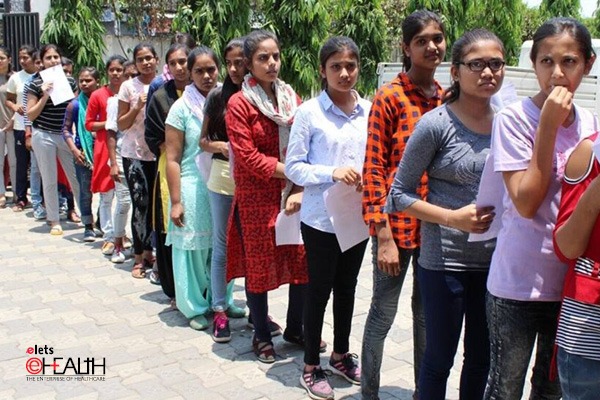
Hundreds of people marched in New Delhi to protest an ambitious free-trade agreement being negotiated between India and the European […]
Hundreds of people marched in New Delhi to protest an ambitious free-trade agreement being negotiated between India and the European […]

By 2016 the number of patients mobitored over mobile networks will hit 3 million, according to Juniper Research. The firm […]
Pharma major Piramal Healthcare has agreed to acquire additional 5.5 percent stake in cellular services operator Vodafone India for Rs […]
India has pitched for greater collaboration among South Asian countries in addressing health problems. Inaugurating the 4th Regional Meeting of […]

Fitch Ratings has come out with its report on Indian healthcare sector. In a recent report, the agency has classified […]

Two eminent doctors attached with Kolkatas AMRI Hospital in different capacities were arrested in connection with the countrys worst-ever hospital […]

Biocon , India’s top-listed biotechnology company, expects to generate larger licensing income from pharmaceuticals business, its Chairman and Managing Director […]

GSK Consumer Healthcare is organising its first annual leadership meeting next month in New Delhi where at least 250 top […]

The Life Insurance Corporation of India has crossed the one-million mark in cumulative lives covered under its health insurance segment. […]

The global medical giant GE Healthcare has hailed the Gulf, the Middle East and North Africa as its “hidden jewel”. […]

A new study finds that investment in computer, communications and diagnostics technologies could drastically cut the long-term care costs for […]

The World Health Organisation (WHO) has adopted a resolution moved by India that focuses on the global burden of mental […]

International Finance Corporation (IFC), the private sector investment arm of the World Bank Group, is investing up to $30 million […]