



Article
Citizen-Centric Digital Health: Strengthening India’s Healthcare Future Through AI and ABDM
Citizen-Centric Digital Health: Strengthening India’s Healthcare Future Through AI and ABDM
![]() By Dr. Asawari Savant, eHealth Network - 11 January 2026
By Dr. Asawari Savant, eHealth Network - 11 January 2026


India’s healthcare system is undergoing a dynamic transformation, driven by visionary public policy, digital public infrastructure, and a strong commitment to citizen welfare. Initiatives such as the Ayushman Bharat Digital Mission (ABDM) reflect the Government of India’s long-term vision to create a unified, inclusive, and citizen-centric digital health ecosystem. With proactive participation from states like Uttar Pradesh, this vision is steadily translating into on-ground impact.
As ABDM adoption scales, Artificial Intelligence (AI) is emerging as a powerful enabler, strengthening implementation, improving care delivery, and supporting frontline healthcare systems, while remaining aligned with public health priorities.
Citizen Ownership of Health Data: A Foundational Shift
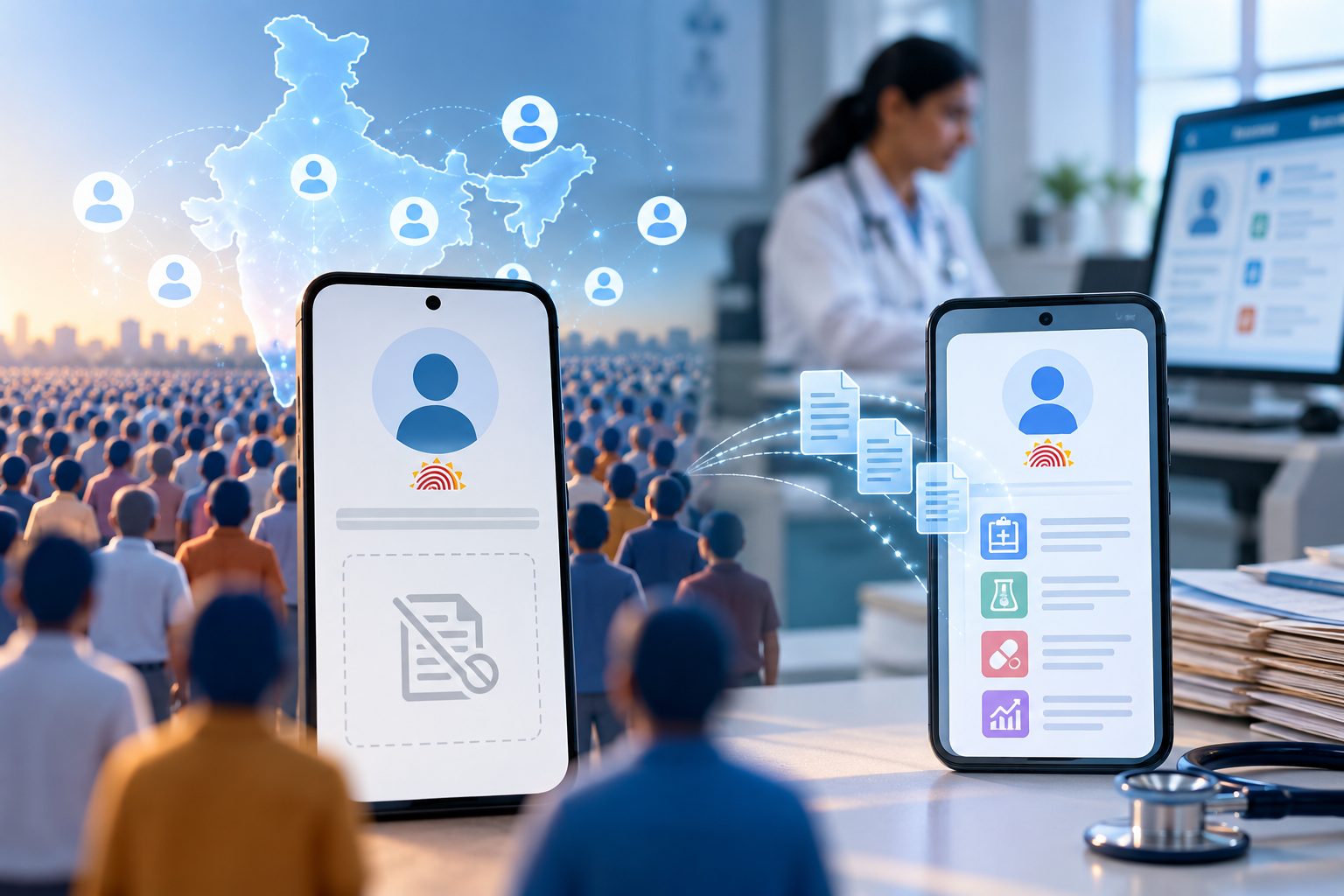
One of the most transformative aspects of ABDM is the empowerment of citizens through ownership and control of their health data. By enabling secure, consent-based access to digital health records, ABDM ensures transparency, trust, and continuity of care across facilities.

This citizen-first approach reduces fragmentation in healthcare delivery, avoids duplication of records, and strengthens interoperability across public and private systems. For large and diverse populations such as Uttar Pradesh, this framework lays the foundation for more coordinated and efficient care.

AI-Enabled Preventive Healthcare and Wellness
Preventive healthcare is essential for improving population health outcomes and managing long-term healthcare costs. AI can support government-led public health initiatives by enabling timely nudges, reminders, and follow-ups based on individual health history and risk factors, while strictly respecting consent and privacy.
These AI-driven interventions complement national and state health programs by encouraging early screenings, chronic disease management, and adherence to care pathways, helping reduce avoidable hospital visits and complications.
Personalisation at Population Scale
Delivering personalised care across a large population has traditionally been a challenge in public healthcare. AI enables this by analysing anonymised and aggregated health data to identify trends, risks, and intervention opportunities at scale.
This allows health programs to be tailored for different regions, demographics, and disease profiles, ensuring that public health strategies remain data-driven, equitable, and responsive to local needs.
Supporting Frontline Healthcare Workers
Frontline healthcare workers form the backbone of India’s healthcare system. AI-powered clinical decision support tools can significantly enhance their efficiency by organising patient histories, surfacing relevant insights, and reducing administrative workload.
By assisting clinicians with structured information and contextual summaries, such tools allow doctors and nurses to focus more on patient care, especially in high-volume public health settings, without replacing human judgment.
AI-Led Triaging and Early Risk Identification
Early detection and timely intervention are critical to saving lives. AI-based triaging systems can help identify high-risk patients earlier, prioritise care delivery, and optimise the use of limited healthcare resources.
In public health systems, this capability supports government priorities such as maternal health, non-communicable disease management, and early diagnosis, ensuring better outcomes through timely action.
Scaling Quality Healthcare Sustainably
As healthcare access expands, maintaining quality while controlling costs becomes a central challenge. AI-enabled digital health solutions help address this by improving efficiency, reducing manual processes, and standardising care documentation.
For instance, AI-powered medical documentation tools such as Eka Scribe are being used to help clinicians generate structured clinical notes efficiently, ensuring better record quality and continuity of care. When integrated within ABDM-aligned systems, such tools can support scalable adoption of digital records without increasing administrative burden on doctors, particularly in high-footfall public healthcare environments.
By improving documentation quality, data consistency, and workflow efficiency, these solutions contribute to the broader objective of delivering high-quality healthcare at scale, without proportionately increasing costs.
Also read: How Japanese MedTech Companies Are Steering India Towards Viksit Bharat 2047
Looking Ahead
The convergence of ABDM and AI represents a significant opportunity to strengthen India’s healthcare system. With strong leadership from the Government of India and progressive implementation by state governments such as Uttar Pradesh, digital health is evolving into a trusted, citizen-first ecosystem.
Continued collaboration between policymakers, healthcare institutions, and technology providers will be key to sustaining this momentum. The focus remains clear: leveraging technology to support public healthcare delivery, empower citizens, and build a resilient, future-ready healthcare system for India.
Views expressed by: Vikalp Sahni, Founder & CEO at Eka Care (Orbi Health Pvt. Ltd.)

 Like
Like
 Dislike
Be a part of Elets Collaborative Initiatives. Join Us for Upcoming Events and explore business opportunities. Like us on Facebook , connect with us on LinkedIn and follow us on Twitter , Instagram.
Disclaimer: The views and opinions expressed in this article are solely those of the author and do not necessarily reflect the official policy or views of any organisation. The content is intended for informational and educational purposes only and should not be construed as medical advice.
"Exciting news! Elets technomedia is now on WhatsApp Channels Subscribe today by clicking the link and stay updated with the latest insights!" Click here!