


News
IIT Bombay Develops One-Drop, Low-Cost Blood Test to Screen for Anaemia and Sickle Cell Disease
IIT Bombay Develops One-Drop, Low-Cost Blood Test to Screen for Anaemia and Sickle Cell Disease
![]() By eHealth Network - 28 October 2026


Researchers at the Indian Institute of Technology Bombay have developed a low-cost, point-of-care screening technique that can flag severe anaemia and sickle cell disease from a single drop of blood — an approach that could bring blood-disorder testing to tribal and remote communities that today wait days for laboratory results.

The work, led by Prof. Mahesh Tirumkudulu of IIT Bombay’s Department of Chemical Engineering and published in the journal Lab on a Chip, rests on a simple physical idea: how far a drop of blood travels when it is smeared across a glass slide says a great deal about how thick, or viscous, that blood is.
From the physics of a blood drop to a diagnostic
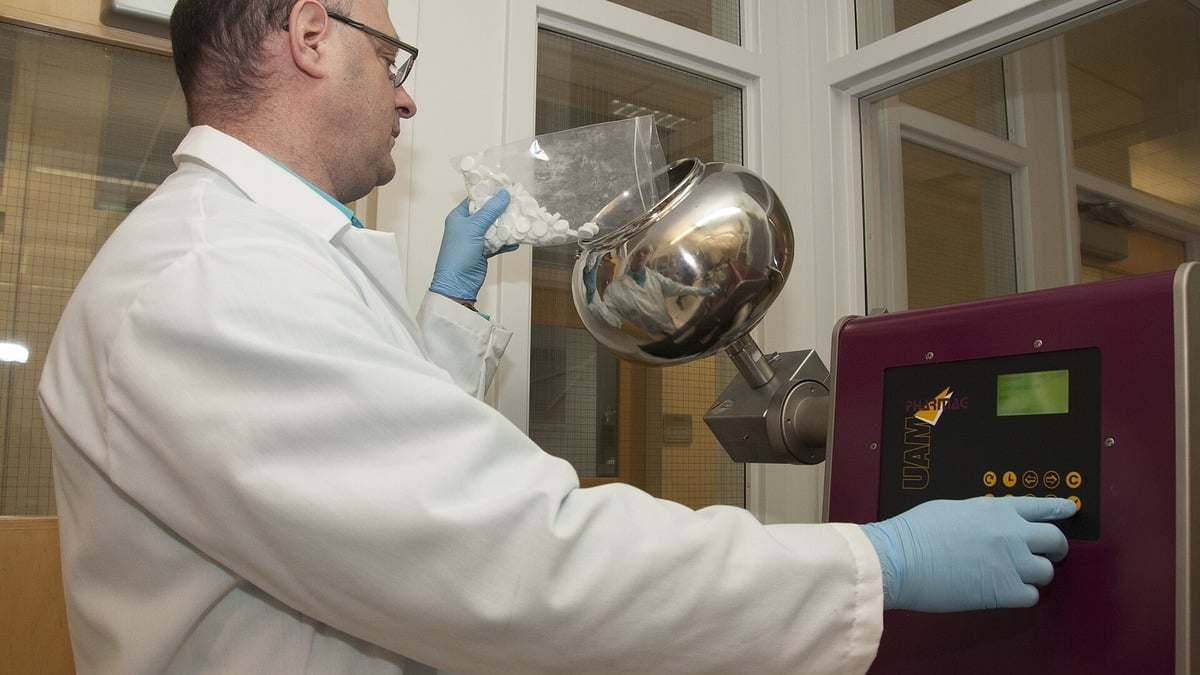
Manual blood smears vary from technician to technician, which makes them unreliable as a measurement. The IIT Bombay team therefore built its own patented, automated smearing device that spreads each sample at a controlled speed and pressure. Under those uniform conditions, more viscous blood produces a shorter, thicker smear, while thinner blood spreads further.
That difference maps onto disease. Anaemia lowers red blood cell concentration and haemoglobin, making blood less viscous. In sickle cell disease, red cells stiffen and deform when oxygen levels drop. By comparing smear length before and after deoxygenating a sample with an inexpensive chemical, the method can separate healthy individuals, sickle cell trait carriers and patients with the disease.
What the trials show
- Severe anaemia: In a study of 516 people, the technique correctly identified 95.1% of those with severe anaemia (haemoglobin below 8 g/dL) and 86% of those without it.
- Haemoglobin estimate: A companion image-based method that reads the colour of the dried smear estimated haemoglobin to within roughly ±0.5 g/dL across more than 1,000 patients.
- Sickle cell disease: Field trials with 394 participants in tribal areas of Maharashtra and central India classified people correctly in about 95% of cases.
- Treatment monitoring: In patients on hydroxyurea, the rise in blood viscosity after oxygen removal fell from about 125% to 70%, suggesting the test could also track therapy response.
Why it matters for India’s public health system
Anaemia is today diagnosed largely through a complete blood count, while confirming sickle cell disease typically needs high-performance liquid chromatography (HPLC) or haemoglobin electrophoresis — tests that can take one to three days or more and depend on well-equipped laboratories. The IIT Bombay kit, by contrast, needs only a pipette, glass slides, a low-cost reagent, vials for the sickling step and a ruler or imaging device to read the smear.
That profile aligns closely with India’s screening priorities under the National Sickle Cell Anaemia Elimination Mission and Anaemia Mukt Bharat, both of which depend on reaching tribal and rural populations at scale. A frontline test that health workers can carry to a village, with no specialist training required, could shorten the gap between screening and treatment.
“This makes our technique particularly useful in places where conventional diagnostic laboratories are difficult to access, and it doesn’t require any special expertise to use,” said Dr. Mahrukh Mir, the study’s first author and a former PhD scholar in Prof. Tirumkudulu’s laboratory.
Road to the clinic
The technology has been licensed to Rheoheme Private Limited, a medtech startup incubated at IIT Bombay. The team is working with the ICMR National Institute for Tribal Health Research (formerly NIRTH), Jabalpur, and AIIMS Nagpur to pursue regulatory approval, and is exploring extensions of the platform to measure clotting time and blood glucose.
The researchers have also flagged limits. Viscosity cut-offs can differ across population groups because of genetic variation in how blood responds to low oxygen, and the anaemia screen could miss rare cases where the usual link between viscosity and anaemia breaks down, such as hyperviscosity syndrome. The device will need regulatory clearance before wider clinical use.
“Our initial aim was to understand the physics of spreading blood drop, and that led to the medical applications,” Prof. Tirumkudulu said — a reminder that some of the most practical diagnostics for India’s last mile may come from fundamental engineering research.
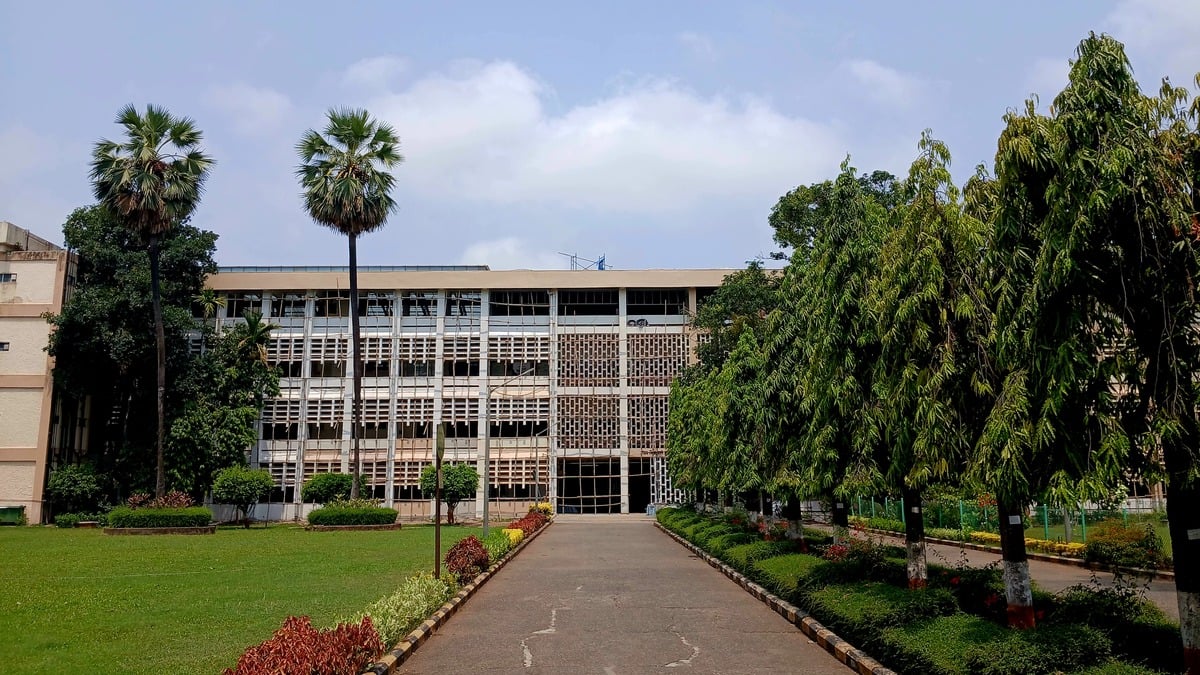
Source: IIT Bombay; The Hindu (26 October 2026); Free Press Journal (23 October 2026); Lab on a Chip (RSC). Featured image: Main Building, IIT Bombay — Shishirdasika / Wikimedia Commons, CC BY-SA 4.0.

 Like
 Dislike
Be a part of Elets Collaborative Initiatives. Join Us for Upcoming Events and explore business opportunities. Like us on Facebook , connect with us on LinkedIn and follow us on Twitter , Instagram.
"Exciting news! Elets technomedia is now on WhatsApp Channels Subscribe today by clicking the link and stay updated with the latest insights!" Click here!