


Article
The Future of Pharma: Innovation, Self-Reliance, and Skilling as Key Pillars
The Future of Pharma: Innovation, Self-Reliance, and Skilling as Key Pillars
![]() By eHealth Network - 10 July 2026
By eHealth Network - 10 July 2026


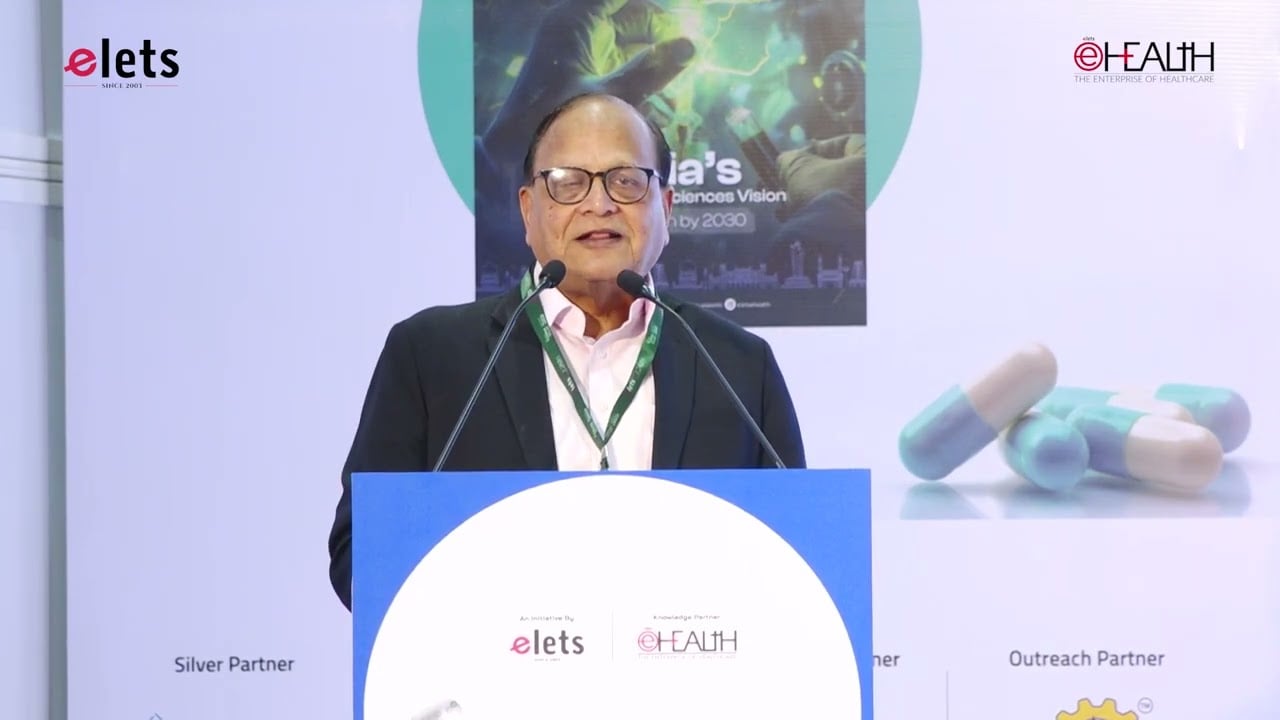
India’s pharmaceutical sector is entering a transformative phase, driven by innovation, digital technologies, regulatory reforms, and a renewed focus on self-reliance. At a industry conference, Sudarshan Jain, Secretary General, Indian Pharmaceutical Alliance, discussed the growing convergence of pharmaceuticals and information technology, the importance of research-led innovation, quality manufacturing, and workforce development in shaping the industry’s future.

Telangana Emerges as a Leading Pharma and Innovation Hub
Telangana continues to strengthen its position as one of India’s most important pharmaceutical and life sciences destinations. The state has built a strong ecosystem spanning pharmaceutical manufacturing, active pharmaceutical ingredients (APIs), biotechnology, Contract Research, Development and Manufacturing Organisations (CRDMOs), and information technology.
Industry leaders noted that the increasing convergence of biology, engineering, artificial intelligence, and digital technologies is redefining pharmaceutical research and manufacturing. This interdisciplinary approach is expected to accelerate drug discovery, improve manufacturing efficiency, and enhance regulatory compliance. The discussions also acknowledged the efforts of the Drug Controller General of India (DCGI) in encouraging technology-driven innovation to modernise India’s pharmaceutical ecosystem.

Innovation to Drive the Industry’s Next Growth Phase
Innovation emerged as a central theme throughout the conference. While India has established itself as the world’s largest supplier of generic medicines, industry experts stressed that the next phase of growth will depend on expanding research capabilities and developing innovative therapies.

Significant opportunities are emerging in biosimilars, biologics, precision medicine, and novel drug discovery. Participants highlighted landmark global collaborations, including major licensing deals by Indian pharmaceutical companies, as evidence of the country’s growing research capabilities and international credibility.
Strengthening partnerships between academia, research institutions, healthcare organisations, and global pharmaceutical companies was identified as essential for accelerating innovation and positioning India as a leader in advanced pharmaceutical research.
Strengthening Self-Reliance in API Manufacturing
Reducing dependence on imported raw materials remains a strategic priority for India’s pharmaceutical sector. Although the country is one of the world’s leading exporters of medicines, a substantial share of its Active Pharmaceutical Ingredients (APIs) continues to be sourced from overseas, particularly China.
Industry leaders emphasised the importance of expanding domestic API manufacturing through government initiatives such as the Production Linked Incentive (PLI) scheme and dedicated API promotion programmes. Increasing local production capacity will not only strengthen supply chain resilience but also improve national health security and reduce vulnerabilities arising from global disruptions.
Several Indian pharmaceutical companies have already increased investments in domestic manufacturing, reflecting the sector’s commitment to building a more resilient and self-sufficient pharmaceutical ecosystem.
Quality and Regulatory Excellence Remain Key Priorities
Maintaining world-class quality standards continues to be fundamental to India’s global pharmaceutical leadership. Experts highlighted the importance of implementing enhanced manufacturing practices under Schedule M and strengthening regulatory systems to align with international benchmarks.
Efforts to modernise regulatory processes and improve the ease of doing business are expected to enhance India’s competitiveness in global pharmaceutical markets. Participants also recognised the role of the Central Drugs Standard Control Organisation (CDSCO) in strengthening regulatory oversight while facilitating innovation and faster approvals for quality healthcare products.
Building a Future-Ready Pharmaceutical Workforce
As technologies such as artificial intelligence, automation, advanced manufacturing, and digital quality systems become increasingly integrated into pharmaceutical operations, developing a highly skilled workforce has become more important than ever.
Industry leaders called for stronger collaboration between educational institutions, healthcare organisations, government agencies, and pharmaceutical companies to equip professionals with future-ready skills. Investments in continuous learning, specialised training, and research-oriented education will be critical to sustaining innovation and ensuring long-term industry competitiveness.
A Vision for Global Leadership
With supportive government policies, a robust manufacturing base, and growing investments in research and technology, India’s pharmaceutical industry is well positioned for sustained expansion.
Driven by innovation, self-reliance, quality manufacturing, regulatory excellence, and skilled talent, India’s pharmaceutical industry is poised to strengthen its position not only as the world’s pharmacy but also as a global leader in next-generation healthcare innovation.

 Like
Like
 Dislike
Be a part of Elets Collaborative Initiatives. Join Us for Upcoming Events and explore business opportunities. Like us on Facebook , connect with us on LinkedIn and follow us on Twitter , Instagram.
Disclaimer: The views and opinions expressed in this article are solely those of the author and do not necessarily reflect the official policy or views of any organisation. The content is intended for informational and educational purposes only and should not be construed as medical advice.
"Exciting news! Elets technomedia is now on WhatsApp Channels Subscribe today by clicking the link and stay updated with the latest insights!" Click here!