





Redefining Patient Care for Resilient, AI-Ready Healthcare Ecosystems 


 Like
Like
 Dislike
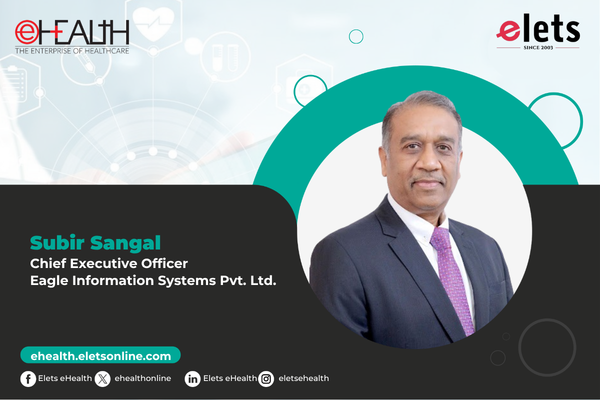
As healthcare rapidly evolves into a connected, AI-enabled and data-driven ecosystem, cybersecurity, operational resilience and trusted digital infrastructure have become critical to ensuring uninterrupted patient care. In an exclusive interview, Subir Sangal, Chief Executive Officer, Eagle Information Systems Pvt. Ltd., shares with Dr. Asawari Savant from Elets News Network (ENN), on how healthcare organisations can navigate emerging cyber threats, responsibly adopt AI, strengthen data governance and build resilient technology ecosystems that protect both patients and continuity of care. Edited excerpts
As healthcare systems become increasingly connected, cybersecurity and data protection are becoming strategic priorities. What are the biggest cybersecurity vulnerabilities being faced by healthcare organisations today, and how can they build stronger resilience against emerging threats?
In a more connected healthcare system, significant security concerns occur where technology, people and processes intersect. Hackers have an easy way into legacy infrastructure, unpatched software, phishing emails and ransomware. Personal KYC information can be used by cybercriminals to access patients’ bank accounts if it is stolen. Also, reliance on outside vendors can make it difficult to assess the total risk.
It is a fact of life today that technology controls a lot of things and when a system is hacked, it can cause severe damage. Suppose the health-care provider’s continuous patient monitoring system is hacked. A hacker could change vital signs, mute emergency alarms, or stop critical care equipment, directly threatening patient lives. Before recommending any technology at Eagle, we make sure to understand what the customer’s business is. Healthcare hospitals require 24×7 Security Operations Centre (SOC) staff to detect threats early, regular software health checks, strong data protection, and complete visibility of their IT systems, along with appropriate login controls. It’s also essential to have clear backup plans, train staff, and take full responsibility during a crisis.
Cybersecurity is not a purely internal IT responsibility, it’s a responsibility to ensure the smooth operation of hospital services and patient trust. All we do is to understand risks, reinforce systems, remain vigilant 24×7 and support our customers until the issue is resolved. How We Support Healthcare Organizations to Keep Going.
AI is moving from experimentation to real-world healthcare applications. What role do you see AI playing in areas such as clinical decision support, predictive analytics, hospital operations, and preventive healthcare, and what safeguards are essential for responsible adoption?
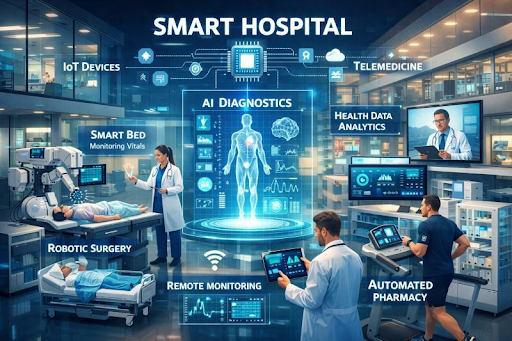
AI should simplify and improve healthcare, rather than complicate it. The true value lies in its ability to spot potential risks early on and ensure that hospital work flows smoothly regardless of whether it’s emergency care, intelligent forecasts, or routine hospital management.
A smart AI system, for instance, could scan real-time patient monitoring in the ICU and alert physicians to a patient’s imminent condition of severe sepsis or automatically keep emergency room lists organized so that serious patients are seen first. AI can also generate patient discharge summaries on the fly, freeing up hospital beds and allowing physicians to concentrate on patient care.
But these AI systems are linked, and they pose significant security threats that must be guarded. In the event of a hacker altering the data of the AI, the system might provide inaccurate medical information or postpone any lifesaving measures. We secure these high-tech platforms at Eagle by protecting patient privacy, maintaining 100% visibility of hospital networks, and preventing new cyber threats. If the right cybersecurity is implemented and the correct doctor supervision is in place, then AI can quietly assist medical teams, maintain patient confidence, and ensure healthcare companies continue to operate safely.
Digital health transformation is not only about deploying technology but also about ensuring that healthcare organizations can manage and sustain it. What role can managed IT services, automation, and technology partnerships play in improving efficiency and reducing the operational burden on healthcare providers?
Hospitals need to be stronger, simpler, and better able to handle challenges. They should not be more stressed because of technology. It also keeps systems like billing and hospital information systems (HIS) running. For example, if a billing system fails, it can create long queues and confusion for patients and hospital management. Similarly, keeping the Hospital Information System (HIS) running smoothly ensures that patient records remain accessible without delays. Managed IT services and intelligent automation can also provide immediate support for minor technical issues, allowing doctors and clinical teams to focus on patient care.
An experienced managed service partner takes care of the infrastructure, compliance, legacy systems and security. This makes sure everything works without stopping so healthcare workers can focus on care.
With increasing digitization, how important will data governance, privacy, and secure cloud infrastructure be for the future of healthcare delivery? What should healthcare leaders consider while designing their digital transformation strategies?
Data governance, privacy, and secure cloud systems are more than just technical add-ons; they form the core of modern healthcare. All hospitals are now legally obligated to safeguard patient information under privacy laws, such as the DPDP Act. Digitization can only occur when patients are confident in the absolute safety, privacy and accessibility of their health records when lives are at stake. Weak governance of digital systems can and will create more issues than solutions.
Hospital leaders need to be proactive about cybersecurity when planning the transformation to digital. Hospitals are open 24×7 and cyber attacks can occur anytime, so the need for a 24×7 Security Operations Centre (SOC) is critical. Round-the-clock, 24×7 SOC monitoring enables security teams to detect threats as they happen, resolve problems in a timely manner and maintain comprehensive visibility into cloud systems, connected devices, and legacy medical computers, preventing attacks from disrupting the work at hospitals or compromising patient information.
But at the end of the day, the work of the hospital cannot halt for updates, data breaches or cyber attacks. When it comes to digital plans, the emphasis needs to be on continuous operations, compliance with the DPDP Act, clear data governance, and seamless technology integration. Technology is safer, more secure and preserves patient trust when strong cybersecurity works in the background of healthcare organizations.

From your experience of building and scaling technology solutions over three decades, what are the key lessons that healthcare organisations and policymakers should keep in mind when implementing large-scale digital transformation initiatives?
At Eagle, a single thing has never changed: Technology is a means to an end, not the end itself. Digital transformation in healthcare needs to create value for patients and clinical teams as well as to streamline healthcare operations, strengthen them and make them more resilient. Operational continuity is also crucial to successful transformation. Disruptions during system upgrades, cloud migration or cyber threats are not an option for hospitals. Interoperability between systems and old systems needs to work smoothly with cybersecurity to make sure that interoperability works, supported by strong 24×7 support.
Policymakers and healthcare executives should also ensure that modern digital platforms integrate seamlessly with essential legacy systems, while embedding robust 24×7 cybersecurity across every layer. The important thing is trust and ownership for lasting change. Healthcare providers need partners to take responsibility for infrastructure, cybersecurity, maintenance, and results.
Technology can help doctors protect trust and keep the flow of care going without being the main thing people focus on by thinking about the user, smooth work and long-term partnership. By focusing on immediate user benefits, operational uptime, clear communication, and long-term ownership, digital transformation can support doctors, protect patient trust and keep healthcare moving forward.
 Like
Dislike
Like
Dislike
Be a part of Elets Collaborative Initiatives. Join Us for Upcoming Events and explore business opportunities. Like us on Facebook , connect with us on LinkedIn and follow us on Twitter , Instagram.
"Exciting news! Elets technomedia is now on WhatsApp Channels Subscribe today by clicking the link and stay updated with the latest insights!" Click here!