



News
Bharat Biotech’s Nucelion to Manufacture Pandorum’s Designer-Exosome Eye Therapies Under PRIP-Backed Projects
Bharat Biotech’s Nucelion to Manufacture Pandorum’s Designer-Exosome Eye Therapies Under PRIP-Backed Projects
![]() By eHealth Network - 28 October 2026


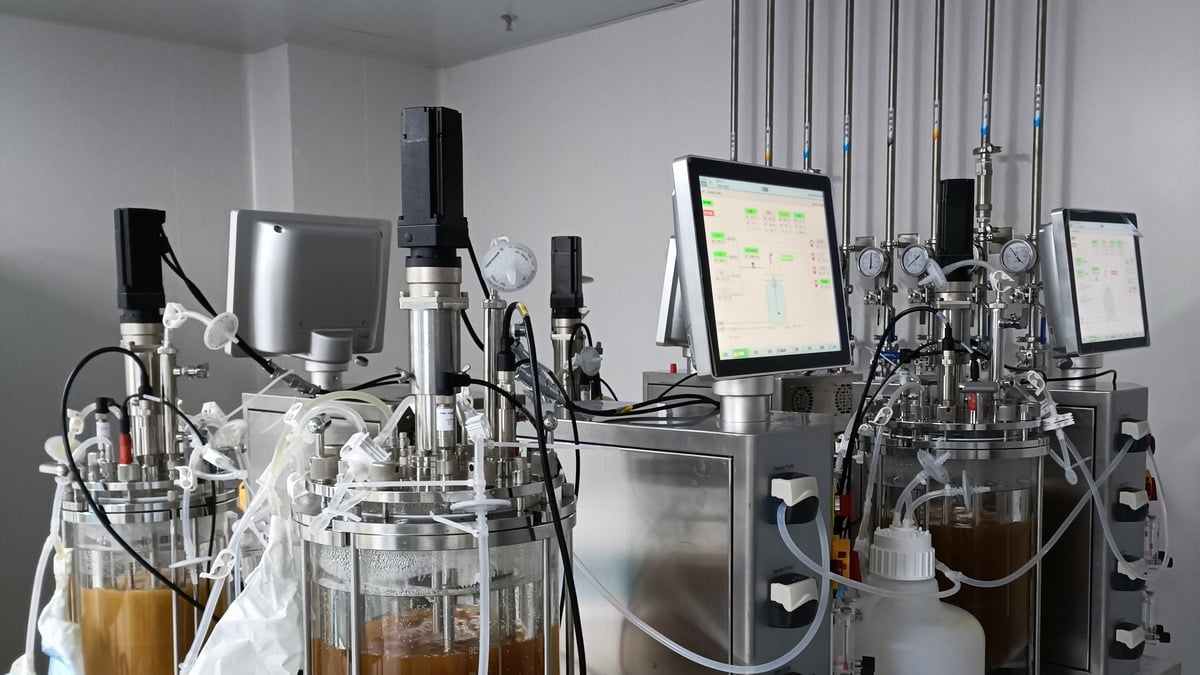
India’s advanced-therapies ecosystem has added another manufacturing link. Nucelion Therapeutics, the Hyderabad-based cell and gene therapy contract development and manufacturing organisation (CDMO) wholly owned by vaccine maker Bharat Biotech, will support two ophthalmology programmes being developed by Bengaluru-headquartered Pandorum Technologies under the Centre’s Promotion of Research and Innovation in Pharma-MedTech Sector (PRIP) scheme.

The two projects target advanced keratopathy, a severe form of corneal disease, and wet age-related macular degeneration (wet AMD), a leading cause of vision loss in older adults. Together they carry a planned outlay of ₹16.97 crore, of which up to ₹8 crore will come as funding under PRIP, the companies said on 28 October 2026.
Designer exosomes, built for reproducibility
Pandorum, a tissue engineering and regenerative medicine company, is developing cell-free regenerative medicines based on what it calls designer exosomes: tiny extracellular vesicles that carry the biological signals cells use to communicate with each other. The company tunes the biological activity of these exosomes to address inflammation, fibrosis and vascular pathology while supporting tissue repair.
Its platform is designed as a closed learning loop that links the manufacturing process, the product, its biological activity and the resulting tissue response. That makes manufacturing discipline central to the science rather than an afterthought, and it is where Nucelion comes in.

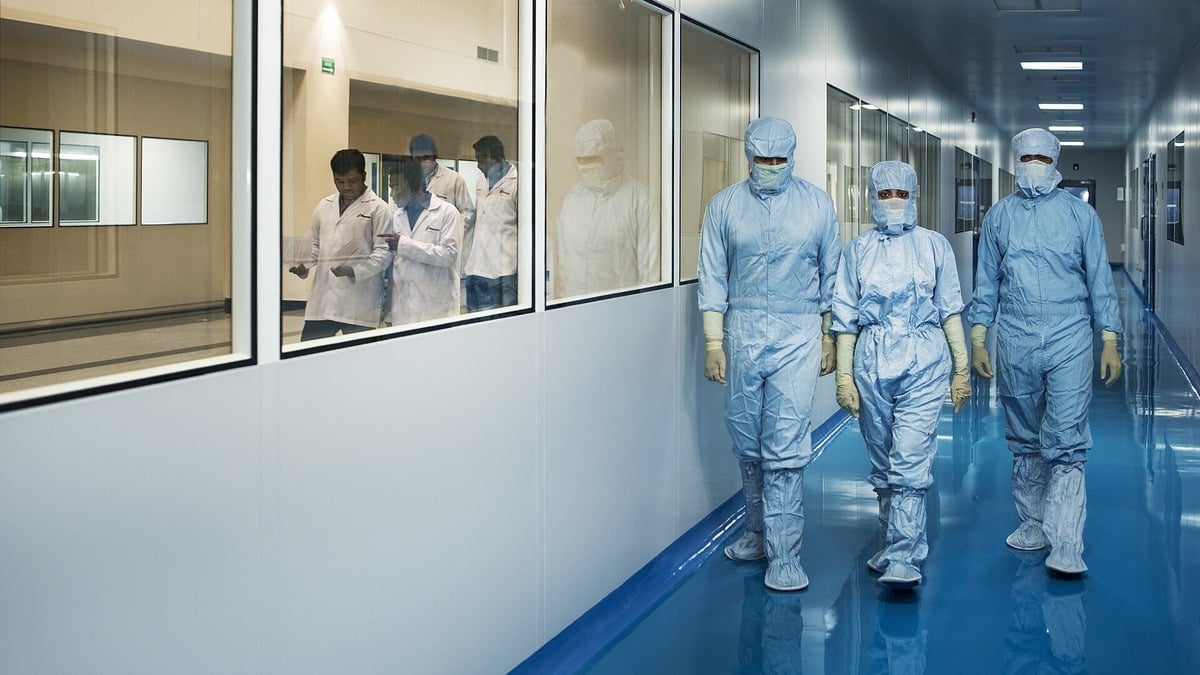
Under the arrangement, Nucelion will provide process development and manufacturing support for Pandorum’s exosomes, matched to the requirements and development stage of each programme. The wider collaboration is intended to supply material made under Good Manufacturing Practice (GMP) for clinical studies in India and abroad, subject to regulatory approvals.
Where the two programmes stand
- Advanced keratopathy: directed towards clinical evaluation of investigational therapies for severe corneal disease.
- Wet AMD: extends the platform into retinal disease; the current project is focused on preclinical development and preparation for clinical translation.
“Advanced therapies require process development, analytical methods and manufacturing discipline to progress together,” said Dr Raghu Malapaka, Chief Business Officer, Nucelion Therapeutics, adding that the CDMO’s role is to translate Pandorum’s product requirements into reproducible processes and development-stage manufacturing with quality built in from the outset.
Dr Tuhin Bhowmick, Co-founder and CEO of Pandorum Technologies, said a regenerative medicine must do more than show promise in the laboratory; its biological activity has to be reproducible and its effects evaluated in the right patients. PRIP support, he said, allows the company to advance two distinct ophthalmology programmes through a common designer-exosome platform, in line with a shared vision of “Innovate and Make in India, for the World”.
Building on an earlier tie-up
The announcement deepens a relationship the two companies first disclosed in January 2026, when they agreed to collaborate on manufacturing Pandorum’s exosome-based therapeutics for the Asia-Pacific region. At the time, Nucelion said it would provide end-to-end support covering process scale-up, GMP-compliant production and quality control of pharmaceutical-grade exosomes derived from clinical-grade mesenchymal stem cells.
It is also Nucelion’s second partnership announcement this month, following a collaboration with Hyderabad-based precision oncology company VeGen Bio for technology transfer, clinical manufacturing and commercial production of cell therapies.
Why it matters for Indian pharma
PRIP, launched in 2023 with a financial outlay of ₹5,000 crore, aims to move India’s pharma and medtech sector up the innovation value chain by supporting startups, MSMEs and large companies. The Department of Pharmaceuticals opened a second call for applications in August.
The Nucelion–Pandorum projects show how that public funding is starting to connect early-stage biology with domestic GMP capacity. For next-generation modalities such as exosomes and cell therapies, where process is often inseparable from product, specialised CDMOs that can scale reproducibly are likely to decide how quickly Indian innovations reach clinical trials, and eventually patients, at home and overseas.

 Like
 Dislike
Be a part of Elets Collaborative Initiatives. Join Us for Upcoming Events and explore business opportunities. Like us on Facebook , connect with us on LinkedIn and follow us on Twitter , Instagram.
"Exciting news! Elets technomedia is now on WhatsApp Channels Subscribe today by clicking the link and stay updated with the latest insights!" Click here!