



News
CDSCO Asks States to Enforce Batch Testing of Raw Materials, Excipients and Finished Drugs
CDSCO Asks States to Enforce Batch Testing of Raw Materials, Excipients and Finished Drugs
![]() By eHealth Network - 28 October 2026


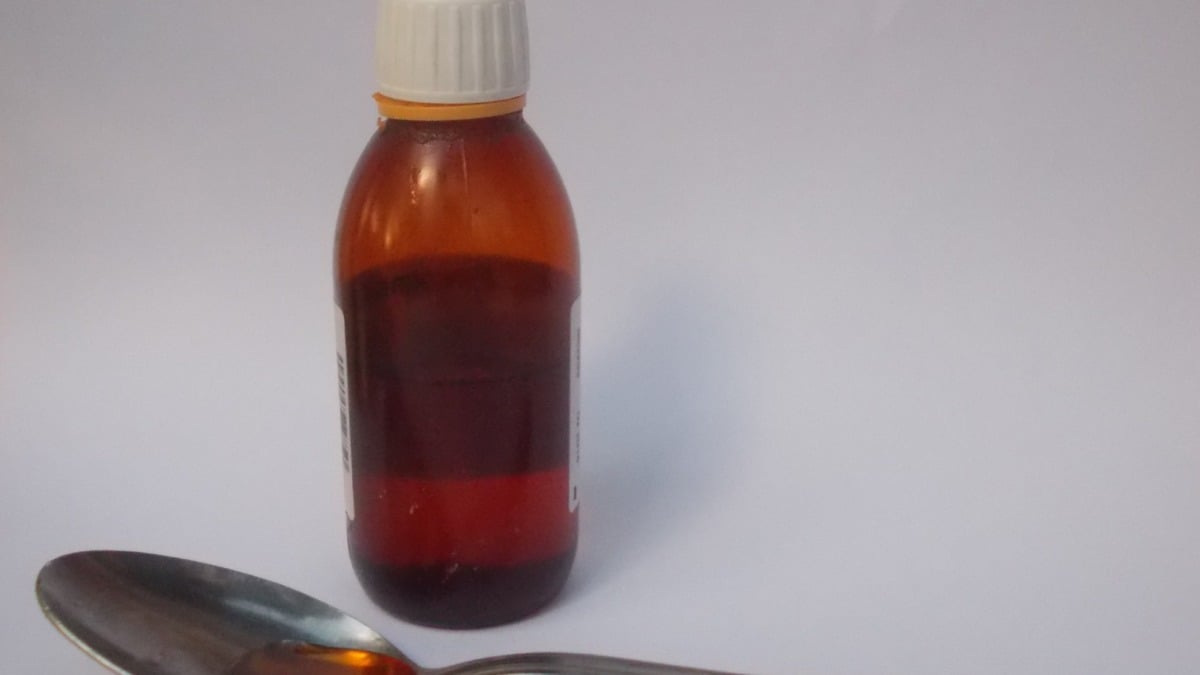
India’s central drug regulator has asked every state and Union Territory drug control authority to make sure manufacturers under their watch test each batch of raw materials, excipients and finished formulations before medicines leave the factory, sharpening its focus on contamination risks after the deadly cough syrup cases.

In a notice dated 27 October 2026, Drugs Controller General of India (DCGI) Dr Rajeev Singh Raghuvanshi of the Central Drugs Standard Control Organisation (CDSCO) reminded state and UT regulators that testing every batch or lot of raw material is a statutory obligation for licence holders. The tests can be carried out in a company’s own quality control laboratory or in a laboratory approved by the licensing authority, and licensees must keep records and registers with the particulars of each test as laid down in the relevant schedule.
Focus on high-risk excipients
The directive names critical excipients such as propylene glycol, glycerol and sorbitol, solvents and sweeteners that are widely used in oral liquids. These are the ingredients most exposed to adulteration with diethylene glycol (DEG), a cheap industrial chemical used in brake fluids and paints that can be substituted, by mistake or deliberately, for pharmaceutical-grade propylene glycol. Even small amounts of DEG can cause severe poisoning and acute kidney injury, with children the most vulnerable.
Manufacturers have also been told to test every batch of the finished product, not just incoming materials.

Vendor qualification under the spotlight
Beyond testing, CDSCO has asked state regulators to enforce robust vendor qualification, so that raw materials and excipients are sourced only from reliable, approved suppliers. For many small and mid-sized formulators that buy excipients through traders, this puts supplier audits, certificates of analysis and traceability back at the centre of compliance.
What the inspections found
The move follows risk-based inspections of manufacturing sites carried out by the regulator, which found that several licensed drug makers were not testing each batch of excipients against prescribed standards before using them in formulations and finished products. The Coldrif cough syrup linked to child deaths in Chhindwara, Madhya Pradesh, was found to contain DEG well beyond permissible limits, putting the spotlight on how solvents enter the supply chain.
Why it matters for the industry
For India’s formulation makers, especially MSME units now moving to revised Schedule M good manufacturing practices, the notice signals that state-level enforcement of basic quality controls will tighten. Companies can expect closer scrutiny of incoming material testing, laboratory capacity, documentation and supplier approval, alongside growing demand for analytical instruments, contract testing laboratories and qualified excipient suppliers.
Quality assurance, excipient sourcing and laboratory compliance are among the themes in focus for the pharma manufacturing community at India Pharma Expo 2027 and the NextGen Pharma Summit & Awards.
Source: CDSCO notice dated 27 October 2026, as reported by Business Standard.

 Like
 Dislike
Be a part of Elets Collaborative Initiatives. Join Us for Upcoming Events and explore business opportunities. Like us on Facebook , connect with us on LinkedIn and follow us on Twitter , Instagram.
"Exciting news! Elets technomedia is now on WhatsApp Channels Subscribe today by clicking the link and stay updated with the latest insights!" Click here!