





Weight gain is only easy when you’re trying to lose it!

Jokes apart, gaining weight may sound simple, just eat more calories than you burn. How hard can that be, right? But if that’s your only strategy, you may end up gaining more fat than muscle.
For healthy bulking, it’s got to be more than stuffing calories. You need nutritious foods that support muscle growth, help with digestion and nutrient absorption, and overall health.

Read more to know how to bulk up effectively.

- Start With a Calorie Surplus
Yeah, you’re not entirely wrong on that; calories are crucial. Begin by adding around 300 to 500 calories to your usual daily intake.
This is enough to encourage progress without making you feel uncomfortably full or causing unnecessary fat gain.
A tip to do this with a meagre appetite is to add a calorie-rich snack and a nourishing drink each day. For example, a peanut-butter smoothie made with milk, protein oats, banana, and yogurt can provide plenty of energy without feeling like a huge meal.
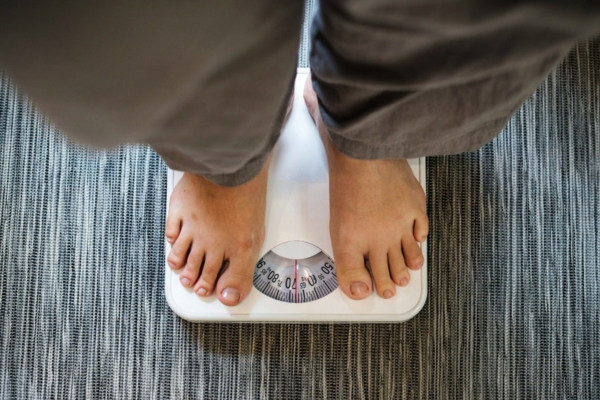
Weigh yourself two or three times a week, preferably at the same time of day. Look at the average rather than reacting to one measurement, because water, food, and hormones can change your weight from day to day.
- Choose Nutritious Foods
Instead of simply eating bigger portions, make your meals more nourishing. Add olive oil to vegetables, grated cheese to eggs or pasta, nut butter to toast, and full-fat yogurt to fruit.
If large meals feel difficult, try eating five or six smaller meals. As per the health experts, “little and often” is commonly recommended for people who struggle with appetite.
Rice, potatoes, oats, whole-grain bread, beans, eggs, fish, chicken, nuts, and seeds are useful choices because they provide calories along with protein, vitamins, minerals, or healthy fats. You can eat high protein muesli to get maximum nutrition from a single bowl serving.
- Do Strength Training
Strength training gives your body a reason to turn some of the extra energy into muscle. Focus on exercises such as squats, rows, presses, lunges, and deadlifts, increasing the challenge gradually. Resistance training can include weights, bands, machines, or body-weight exercises
With the intense workout, you also get about 1.4-2.0 grams of protein per kilogram of your body weight each day. Good sources include milk, Greek yogurt, eggs, tofu, lentils, beans, fish, chicken, and lean meat. Try to include protein in each meal rather than eating it all at dinner.
Final Word
Gaining weight takes time, so don’t get discouraged if you don’t see quick results. Eat well, train regularly, and give your body enough time to recover. Sleep properly, rest your muscles, and take a break when needed. With patience and consistency, you can gain healthy weight and become stronger.

 Like
Like
 Dislike
Be a part of Elets Collaborative Initiatives. Join Us for Upcoming Events and explore business opportunities. Like us on Facebook , connect with us on LinkedIn and follow us on Twitter , Instagram.
Disclaimer: The views and opinions expressed in this article are solely those of the author and do not necessarily reflect the official policy or views of any organisation. The content is intended for informational and educational purposes only and should not be construed as medical advice.
"Exciting news! Elets technomedia is now on WhatsApp Channels Subscribe today by clicking the link and stay updated with the latest insights!" Click here!