



Pharma
NSQ Licence Suspension Draft Faces Pharma Industry Pushback
NSQ Licence Suspension Draft Faces Pharma Industry Pushback
![]() By eHealth Network - 25 November 2026



India’s leading pharmaceutical industry bodies have pushed back against the Health Ministry’s plan to suspend drug manufacturing licences immediately after a medicine is declared Not of Standard Quality (NSQ). The Indian Pharmaceutical Alliance (IPA), the Federation of Pharma Entrepreneurs (FOPE) and Laghu Udyog Bharati have asked for a proportionate, risk-based framework instead of an automatic suspension triggered by a single test report.

What the NSQ licence suspension draft proposes
The objections relate to draft amendments to Rules 85 and 122O of the Drugs Rules, 1945, notified as G.S.R. 956(E) for public consultation. As eHealth reported when the Centre proposed instant NSQ licence suspension, the draft lets the central or state licensing authority suspend a manufacturing licence as soon as a Government Analyst declares a drug NSQ on assay, dissolution, related substances, impurities or sterility.
Under the current rules, suspension or cancellation follows a show-cause notice. The ministry said in its official PIB release of 4 November 2026 that this gap can leave substandard stock in circulation. Under the draft, a suspension would stay in force until the manufacturer completes a root-cause analysis and corrective and preventive action (CAPA) that the regulator has verified.
Why IPA, FOPE and Laghu Udyog Bharati object
All three associations said they support stronger drug-quality enforcement and patient safety. Their concern is with automatic action based on an initial analyst’s report, without establishing the manufacturer’s responsibility or giving it a fair hearing.

- IPA, which represents 23 research-based generic drugmakers, argued in a letter to the ministry that an NSQ result in one batch should not be treated as proof of a systemic failure. It wants action matched to the severity of the defect, with suspension normally limited to the affected batch.
- IPA also sought transparent testing, access to laboratory data, confirmatory testing and fixed timelines for investigation, CAPA submission, review and restoration of licences, which it said the draft does not prescribe.
- FOPE raised legal and procedural concerns, saying a licence suspension hits business operations, contracts, jobs, supply chains and reputation. Citing the right to be heard, it said that even urgent action should be followed by a post-decisional hearing within a short, fixed period and a reasoned order.
- FOPE has also asked for a clear line between suspending permission for one product and suspending an entire manufacturing licence, and for appellate confirmatory testing when results are disputed.
The industry bodies warned that an across-the-board mechanism could disrupt manufacturing and affect the availability of medicines, according to The Economic Times.
Drug quality enforcement is tightening
The NSQ draft is part of a wider quality push by regulators. The Centre has proposed zero microbial growth limits for sterile drugs under draft Schedule M rules, and CDSCO has asked states to enforce batch testing of raw materials, excipients and finished drugs. A separate draft would also bring antimicrobials under the new drug definition, requiring central approval first.
For manufacturers, especially small and mid-sized units, the final shape of the NSQ rule will decide how much a single failed batch could cost. The ministry is expected to weigh the industry submissions before notifying the final amendments.
Key takeaways
- IPA, FOPE and Laghu Udyog Bharati oppose automatic licence suspension on an initial NSQ report under draft changes to Rules 85 and 122O.
- They want severity-based, batch- or product-specific action, a hearing, confirmatory testing and fixed timelines for CAPA and restoration.
- The draft covers NSQ findings on assay, dissolution, related substances, impurities and sterility.
FAQ
What is an NSQ drug?
A Not of Standard Quality drug is one that a Government Analyst finds does not meet prescribed quality standards, for example on active ingredient content, dissolution or sterility.
What does the industry want changed in the draft?
Industry bodies want suspension limited to the affected batch or product unless wider failures are proven, an opportunity to be heard, confirmatory testing and clear timelines to restore licences.
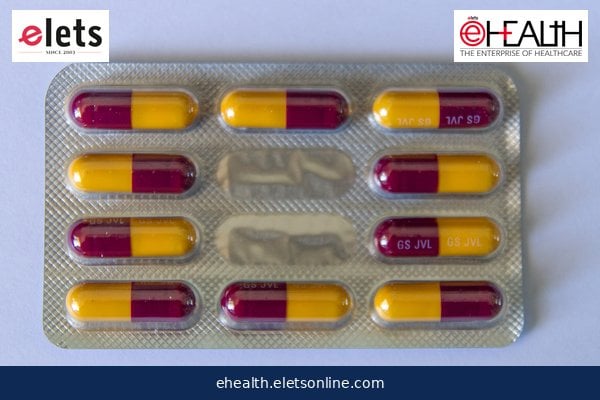
Featured image: representative image of tablets and capsules. Photo: Root66 / Wikimedia Commons (CC BY-SA 3.0).

 Like
 Dislike
Be a part of Elets Collaborative Initiatives. Join Us for Upcoming Events and explore business opportunities. Like us on Facebook , connect with us on LinkedIn and follow us on Twitter , Instagram.
"Exciting news! Elets technomedia is now on WhatsApp Channels Subscribe today by clicking the link and stay updated with the latest insights!" Click here!