



News
Andhra Pradesh Plans ₹1,011 Crore Teaching Hospital Upgrade
Andhra Pradesh Plans ₹1,011 Crore Teaching Hospital Upgrade
![]() By eHealth Network - 25 November 2026



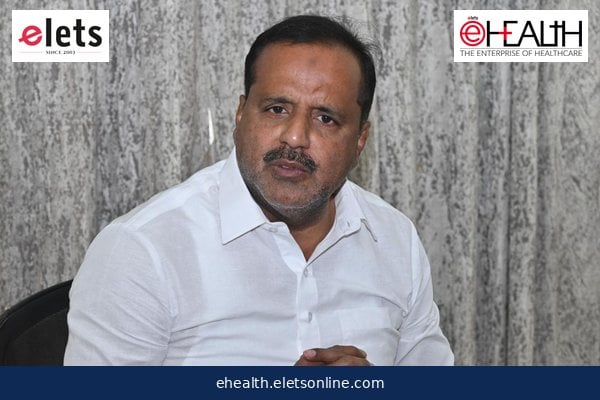
Andhra Pradesh teaching hospitals could soon offer robotic surgery, IVF, organ transplants and bone marrow transplants under a ₹1,011 crore modernisation proposal from the state’s Department of Health, Medical and Family Welfare. Health Minister Y. Satya Kumar Yadav reviewed the plan at the department headquarters in Mangalagiri on 19 November 2026 and said he would take it to Chief Minister N. Chandrababu Naidu for a decision.

What does the ₹1,011 crore plan include?
Director of Medical Education Dr A. Vishnuvardhan presented the roadmap, which aims to bring super-speciality care that is today largely confined to private hospitals into the government teaching network:
- Robotic surgery: a ₹45 crore centre at the Government General Hospital, Vijayawada, in the first phase, followed by King George Hospital, Visakhapatnam, and the Government General Hospital, Kurnool.
- Fertility care: five IVF centres, a first for the state’s government hospitals, at Guntur, Anantapur, Vizianagaram, Kakinada and Tirupati, at about ₹17.50 crore.
- Transplant services: organ transplant units at the Kidney Research Centre in Palasa and 11 teaching hospitals (₹163.52 crore), and bone marrow transplant centres at Visakhapatnam, Guntur and Kurnool (₹48 crore).
- Rare diseases: a ₹17 crore Centre of Excellence at the Vijayawada teaching hospital.
- Cancer care: five Comprehensive Cancer Care Centres at Anantapur, Machilipatnam, Vijayawada, Srikakulam and Ongole, together estimated at ₹500 crore.
How will diagnostics and critical care be strengthened?
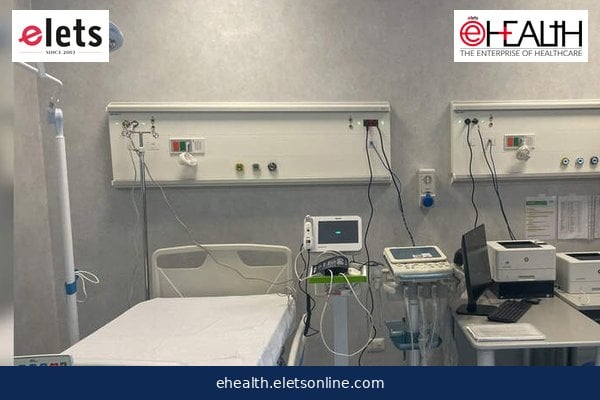
The proposal also covers clinical skills and simulation centres, interventional neuroradiology, a speech and hearing ENT centre, geriatric care and a ₹180 crore State Institute of Medical Education and Public Health. A ₹65 crore ICU upgrade was discussed, and the minister asked officials to assess needs beyond the 850 ventilators already proposed so that patient care is not compromised.
He also directed the department to map CT scanner, MRI and cath lab requirements by hospital tier and patient load, finish pending works at 11 government medical colleges, use the ₹343 crore released by the Centre for postgraduate seats, and approach the Union Department of Atomic Energy for cancer centre funding, according to The Hindu and The New Indian Express.

Why does it matter for public healthcare?
Robotic systems, transplant programmes and modern imaging have so far been concentrated in private and corporate hospitals. Putting them in government teaching hospitals would widen access for patients who rely on the public system and give medical students hands-on training in advanced procedures. Other states are moving the same way, as seen in GMCH Nagpur’s ₹35 crore robotic surgery system.
The plan builds on Andhra Pradesh’s recent health technology push, including its AI pilot for diabetic retinopathy screening in government hospitals and universal cancer screening drive. It also follows national efforts to scale transplant care, after India recorded 20,138 organ transplants in 2025.
What happens next?
The proposals still need the Chief Minister’s approval. Officials also cited ₹2,340 crore in first-phase proposals, ₹7,369 crore sought under the Centre’s SASCI scheme and ₹2,499.97 crore proposed for teaching hospital modernisation in 2027-28.

 Like
 Dislike
Be a part of Elets Collaborative Initiatives. Join Us for Upcoming Events and explore business opportunities. Like us on Facebook , connect with us on LinkedIn and follow us on Twitter , Instagram.
"Exciting news! Elets technomedia is now on WhatsApp Channels Subscribe today by clicking the link and stay updated with the latest insights!" Click here!