



News
IIT Madras Autism Lab and Sleep Study Facility Inaugurated
IIT Madras Autism Lab and Sleep Study Facility Inaugurated
![]() By eHealth Network - 25 November 2026


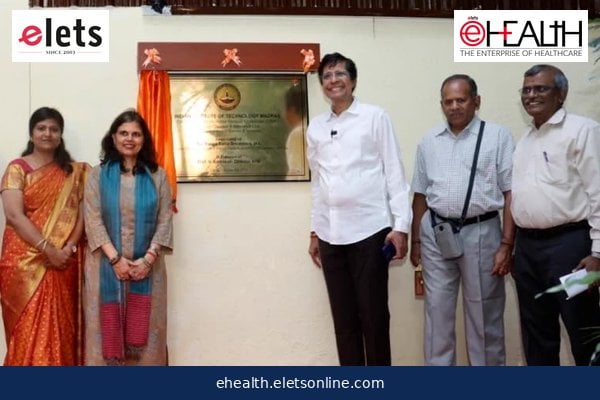
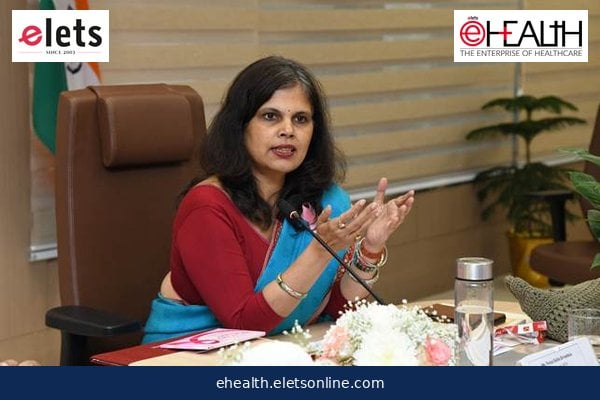
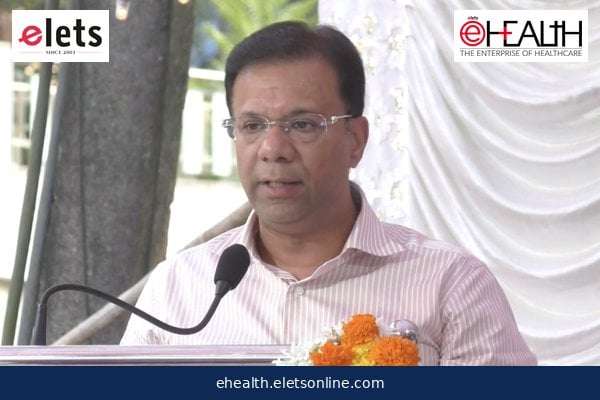
IIT Madras Autism Lab, a new Sleep Study Facility and an E-cart Ambulance service were inaugurated at the Indian Institute of Technology Madras on 22 November 2026 by Union Health Secretary Punya Salila Srivastava. The institute says the facilities will improve care for its campus community and open new routes for indigenous, low-cost healthcare technology.

What did IIT Madras launch?
Three facilities went live during the visit, each linked to the institute’s campus wellness programme and its research pipeline:
- Autism Lab: will scientifically evaluate Integrated Varmam Therapy for children with Autism Spectrum Disorder (ASD).
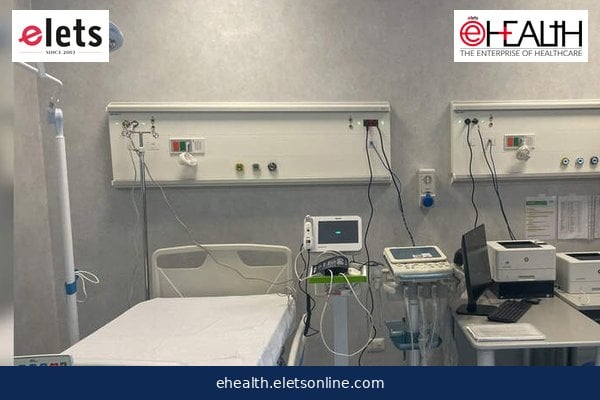
- Sleep Study Facility: set up at the Campus Health Centre to assess and treat sleep disorders, with specialists associated with Kauvery Hospitals, Chennai.
- E-cart Ambulance: an electric ambulance for faster in-campus response, especially for elderly residents and patients who need mobility support.
How will technology support the Autism Lab?
The lab is part of the activities leading to the proposed Centre for Indian Medical Knowledge (CIMK) at IIT Madras, which aims to bring traditional Indian medical practice under rigorous scientific study. IIT Madras plans to work with the Paediatric Neurology team at AIIMS Jodhpur, which has administered the integrated therapy to more than 800 children, to evaluate the treatment protocol.
A key engineering piece is a set of indigenous pressure-sensing gloves. Built by IIT Madras researchers, the gloves will measure contact pressure and give practitioners real-time feedback, helping them stay within prescribed treatment parameters. The team also plans genetic, molecular and epigenetic studies to understand how the therapy may work, subject to ethical approvals.

Why does the sleep facility matter?
The institute flagged sleep deprivation among students through its existing mental health services, run with Kauvery Hospitals. Beyond clinical care, the new facility will support research into sleep patterns and disorders, subject to Institutional Ethics Committee approval and informed consent. Faculty also intend to develop indigenous, cost-effective sensors for sleep monitoring and analysis.
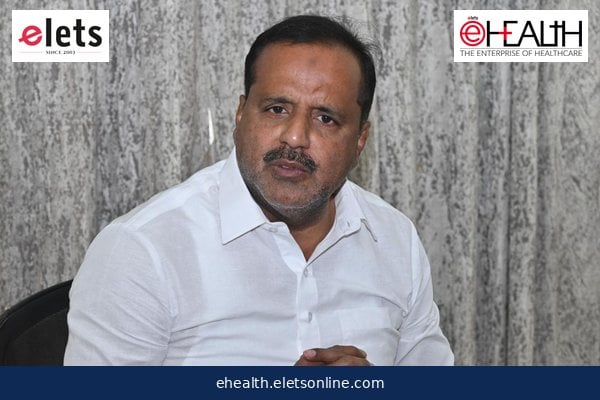
“The focus on mental wellness, sleep research, scientific evaluation of Indian medical practices and accessible emergency care is highly commendable,” Srivastava said, adding that she hoped the work would lead to affordable, indigenous and evidence-based healthcare solutions.
Which research centres did the Health Secretary review?
Srivastava also visited the Sudha Gopalakrishnan Brain Centre, the Department of Medical Sciences and Technology, the National Cancer Tissue Biobank, the Healthcare Technology Innovation Centre (HTIC) and the National Centre for Assistive Health Technologies (NCAHT). Their work spans high-resolution brain mapping, the Bharat Cancer Genome Atlas, medical devices, early eye disease detection and affordable mobility aids, according to the PIB release and the IIT Madras statement.
What it means for India’s healthtech ecosystem
The launch fits a wider push to pair clinicians with engineers on home-grown devices. Earlier IIT Madras work covered on eHealth includes nanotechnology for breast cancer care and a machine learning method to detect brain and spinal tumours. The Health Secretary’s focus on digital and evidence-based care also echoes recent moves such as ABHA-linked cancer screening records and the government’s ₹1,600 crore PRIP support for MedTech innovation.

 Like
 Dislike
Be a part of Elets Collaborative Initiatives. Join Us for Upcoming Events and explore business opportunities. Like us on Facebook , connect with us on LinkedIn and follow us on Twitter , Instagram.
"Exciting news! Elets technomedia is now on WhatsApp Channels Subscribe today by clicking the link and stay updated with the latest insights!" Click here!