



Article
Impact of Global Travel Policies on Medical Tourism in 2026 – What’s in it for Healthcare Businesses?
Impact of Global Travel Policies on Medical Tourism in 2026 – What’s in it for Healthcare Businesses?
![]() By Dr. Asawari Savant, eHealth Network - 12 May 2026
By Dr. Asawari Savant, eHealth Network - 12 May 2026


The value of India’s medical tourism industry shows an increase from USD 20.4 billion in 2026 to USD 65.1 billion in 2036 with an annual growth rate of 12.3% throughout the entire forecast period. Today’s patients are moving across borders to access affordable care options, the latest medical technology, and shorter waiting times. The medical tourism industry will continue to grow globally until 2026. As the healthcare world becomes more connected, travel policies have become the deciding factor for where these patients choose to go. For healthcare businesses to thrive, staying on top of these policy shifts is no longer optional, it is essential.

Travel Policies Are Opening New Doors for Medical Tourism
India is becoming one of the fastest growing destinations in the world in terms of Medical Value Travel (MVT), where patients can experience world-class medical infrastructure, skilled medical professionals, and cost-effective medical treatment in an environment that is naturally inclined towards traditional systems of medicine and wellness. Governments across the world are now recognizing the economic potential of medical tourism.
Perhaps the most significant step in the medical tourism sector is the introduction of e-medical visas. Countries such as India, Thailand, Turkey, and the UAE, among many others, offer fast-track medical visas to patients seeking medical treatment in foreign nations. This is allowing patients to travel with their accompanying family members or caregivers.
In effect, the government is encouraging patients to seek medical treatment in foreign nations by making it easier for them to do so. At the same time, the healthcare sector is being boosted in these nations. Nations that offer healthcare infrastructure that is aligned with the visa facilitation and accreditation processes in foreign nations are becoming medical tourism hubs.

The Growing Role of Healthcare Facilitation Platforms
The year 2026 will witness a significant increase in the use of tech-enabled healthcare platforms that help patients with their complex international medical treatment processes. The procedure of obtaining medical treatment in foreign countries requires patients to select hospitals and evaluate treatment options while arranging their travel and medical appointments. These platforms connect patients with international medical professionals and offer expert assistance to help them navigate their demanding medical needs. The facilitators establish a connection between global healthcare systems and international patients which helps to establish trust and expand medical services. Hospitals establish partnerships with these platforms to enable their international patient treatment while simplifying the medical tourism experience.
Geopolitical Shifts Are Reshaping Patient Mobility
Changes in diplomatic relations, visa restrictions, and regional conflicts can have an instant effect on where a patient travels for treatment. If a patient finds it difficult to access one of these markets, patients can often explore alternative healthcare markets that can provide similar treatment options and easy travel access. This has led to a situation where hospitals have diversified their international outreach. Instead of focusing on a single region, many hospitals have now focused on new patient markets in Africa, Southeast Asia, Central Asia, and the Middle East.
For healthcare businesses, flexibility and geographic diversification have now become essential for the medical tourism industry.
Digital Transformation Is Supporting Cross-Border Healthcare
Technology has removed the guesswork from medical travel. In the past, patients often had to fly across the world just to meet their surgeon for the first time. Today, telemedicine allows for virtual consultations before a patient ever buys a plane ticket. In fact, roughly 55% of medical tourists now use virtual consultations, which help build trust in healthcare providers and make it easier for patients to plan their treatment journey. Through these virtual consultations, patients can discuss their diagnosis and even get cost estimates while still at home. Additionally, digital technologies allow medical records to be shared instantly and securely across international borders. This makes the entire process smoother, more predictable, and significantly less stressful for patients.
Also read: Understanding AI and Genomics in the Realm of Diagnostics
Opportunities for Healthcare Businesses in 2026
As global travel policies continue to change, healthcare organizations have a great opportunity to enhance their footprint in the medical tourism space. This includes working with international patient platforms to enhance their presence, investing in top-notch telemedicine technology, and ensuring they have multilingual support. Businesses need to target new markets where travel to their region is becoming easier and ensure their services align with countries where medical visas have been simplified.
The relationship between global travel policies and healthcare access will continue to be a defining factor in the future of medical tourism. As governments continue to make it easier for people to travel and improve international healthcare collaborations, medical tourism will continue to expand.
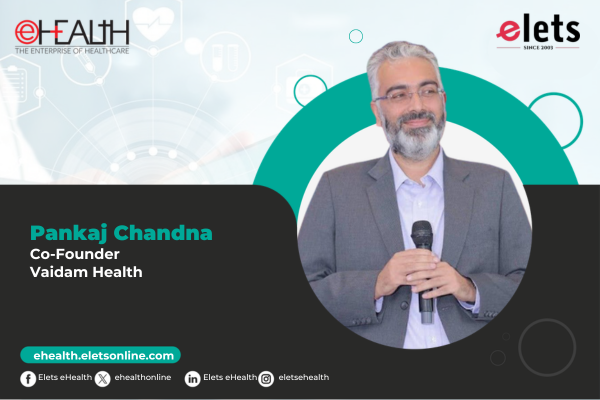
Views expressed by: Pankaj Chandna, Co-Founder, Vaidam Health

 Like
Like
 Dislike
Be a part of Elets Collaborative Initiatives. Join Us for Upcoming Events and explore business opportunities. Like us on Facebook , connect with us on LinkedIn and follow us on Twitter , Instagram.
Disclaimer: The views and opinions expressed in this article are solely those of the author and do not necessarily reflect the official policy or views of any organisation. The content is intended for informational and educational purposes only and should not be construed as medical advice.
"Exciting news! Elets technomedia is now on WhatsApp Channels Subscribe today by clicking the link and stay updated with the latest insights!" Click here!