


Article
Biopharma SHAKTI: The rise of new collaborations between the biopharma, digital health & the wellness industry
Biopharma SHAKTI: The rise of new collaborations between the biopharma, digital health & the wellness industry
![]() By eHealth Network - 13 February 2026
By eHealth Network - 13 February 2026


A few years ago, collaboration in healthcare mostly meant signing a memorandum of understanding (MoU), running a pilot, and putting out a press release. A pharmaceutical company would test a digital app with a few patients. A wellness brand would tie up with a hospital for a short program. Most of it never went beyond experimentation.

That is now beginning to change.
In boardrooms across pharma companies, in conversations between health-tech founders and hospital groups, and in large corporate healthcare programs, a new way of working is emerging. Instead of offering single products or services, companies are beginning to build connected care models. Medicines are being paired with monitoring tools. Lifestyle support is being built into treatment plans. Data is tying the entire journey together.
Many in the industry have begun referring to this shift as Biopharma SHAKTI — not as a slogan, but as a recognition that real growth is now coming from collaboration.

The reason is simple. Healthcare today does not happen in short episodes anymore. Most of the country’s disease burden now comes from chronic conditions — diabetes, heart disease, respiratory problems, obesity, and stress-related disorders. These don’t get solved with one prescription. They require long-term management.
For biopharma companies, this has changed what success looks like. Earlier, the focus was on launching drugs and driving prescriptions. Now the bigger challenge is keeping patients on therapy, improving outcomes, and proving real-world effectiveness. This is where digital health firms have become critical partners.
Remote monitoring devices, mobile health platforms, and data analytics tools allow companies to track how patients actually use medicines, how symptoms change, and where drop-offs happen. Instead of waiting months for follow-ups, doctors and pharma partners can now see trends in real time.
This kind of insight is rapidly becoming central to business strategy. It helps refine products, strengthens regulatory discussions, and increasingly plays a role in pricing and reimbursement.
At the same time, the wellness industry is no longer just about lifestyle trends. Corporate clients, insurers, and healthcare providers now want wellness programs that actually reduce health risks and costs. This has pushed wellness companies to work closely with medical and pharmaceutical partners. Nutrition plans are being designed around metabolic disorders. Mental health platforms are supporting therapy programs. Physical activity tools are being linked to cardiac and respiratory recovery.
When these services are supported by digital tracking and clinical guidance, they move from “nice to have” benefits to core healthcare solutions.
For businesses, the commercial benefits of this integration are substantial. Pharma companies see stronger engagement and better treatment adherence. Digital health firms secure long-term enterprise contracts rather than depending on consumer downloads. Wellness companies step into higher-value institutional relationships instead of fighting for shelf space in crowded consumer markets.
There are cost advantages too. Continuous monitoring catches problems early. Lifestyle support slows disease progression. Hospital visits have reduced. For insurers and employers, this translates into more predictable healthcare spending and healthier populations.
This is why large organisations are now actively pushing integrated health solutions. Employers are bundling wellness platforms with insurance benefits. Insurers are reimbursing digital therapies when backed by outcome data. Hospitals are extending care beyond physical visits through technology partnerships.
What makes this wave of collaboration different from the past is commitment. Earlier, most partnerships were pilots meant to test ideas. Today, companies are investing heavily in shared platforms, long-term agreements, data integration, and co-developed solutions. Digital health firms now operate under medical compliance standards. Wellness brands are building research-backed programs. Pharma leadership is restructuring strategies around ecosystems rather than products.
Meanwhile, data sits at the centre of everything. Whoever controls patient engagement, monitoring and outcomes now holds enormous influence in healthcare decision-making. It shapes treatment plans, payer negotiations and long-term care models.
This is where Biopharma SHAKTI becomes more than cooperation. It becomes competitive advantage.
Companies that successfully connect science, technology and everyday health behaviour will own the healthcare journey end to end. Those who stay isolated risk becoming suppliers in a system increasingly driven by outcomes.
The broader shift is clear. Healthcare is moving away from one-time treatment toward continuous care. Business models are moving from volume to value. Prevention and therapy are becoming part of the same system.
For B2B leaders, the message is straightforward: future growth will not come from protecting industry boundaries. It will come from building partnerships that deliver measurable results.
Biopharma SHAKTI is simply the early stage of that future — a healthcare ecosystem built on collaboration, not silos. And in the years ahead, the strongest players will not be those with the biggest product portfolios, but those with the strongest networks of partners working together to improve health outcomes at scale.
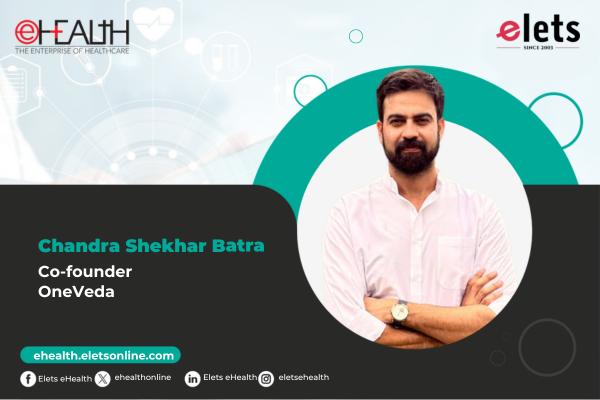
Views expressed by: Chandra Shekhar Batra, Co-founder, OneVeda

 Like
1
Like
1
 Dislike
Be a part of Elets Collaborative Initiatives. Join Us for Upcoming Events and explore business opportunities. Like us on Facebook , connect with us on LinkedIn and follow us on Twitter , Instagram.
Disclaimer: The views and opinions expressed in this article are solely those of the author and do not necessarily reflect the official policy or views of any organisation. The content is intended for informational and educational purposes only and should not be construed as medical advice.
"Exciting news! Elets technomedia is now on WhatsApp Channels Subscribe today by clicking the link and stay updated with the latest insights!" Click here!