




Article
UK-India FTA to Strengthen Pharma Partnerships, Says H. E. Gareth Wynn Owen
UK-India FTA to Strengthen Pharma Partnerships, Says H. E. Gareth Wynn Owen
![]() By eHealth Network - 17 July 2026
By eHealth Network - 17 July 2026


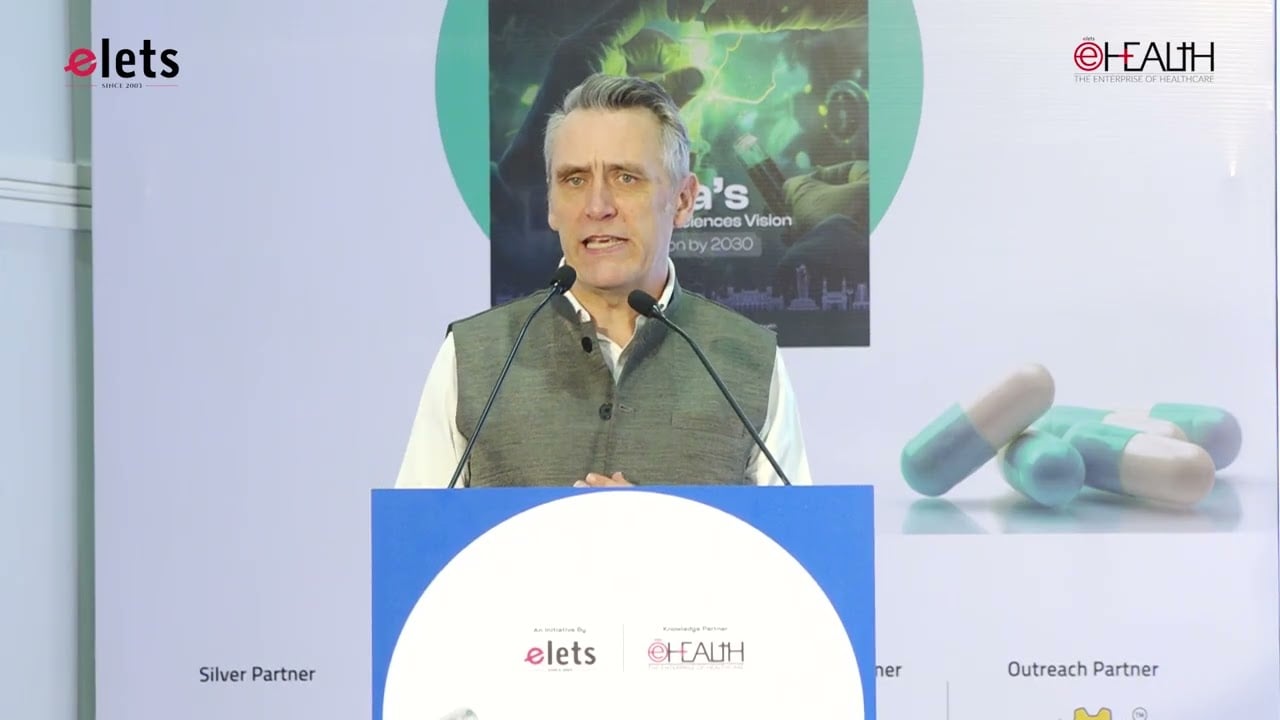
Speaking at India Pharma Expo 2026, H. E. Gareth Wynn Owen, British Deputy High Commissioner, highlighted the transformative potential of the UK-India Free Trade Agreement (FTA) in strengthening pharmaceutical collaboration between the United Kingdom and India. He described the agreement as a landmark initiative that will deepen economic ties while creating new opportunities for innovation, manufacturing, investment, and healthcare resilience across the pharmaceutical sector.

A New Chapter in UK-India Healthcare Collaboration
According to Owen, India’s globally recognized pharmaceutical manufacturing capabilities, combined with the UK’s leadership in research, innovation, and regulatory excellence, provide a strong foundation for long-term collaboration. The FTA is expected to improve market access, strengthen healthcare supply chains, and support sustainable growth for the pharmaceutical industry in both countries.
Greater Market Access and Affordable Medicines
One of the key benefits of the agreement is the potential to reduce trade barriers, enabling Indian pharmaceutical companies to expand their exports while improving profitability. At the same time, Indian hospitals, healthcare providers, and patients are expected to gain greater access to innovative medicines, advanced healthcare products, and cutting-edge technologies developed in the UK.

Enhanced Regulatory Cooperation
The agreement also seeks to strengthen collaboration between the UK’s Medicines and Healthcare products Regulatory Agency (MHRA) and India’s Central Drugs Standard Control Organisation (CDSCO). Greater regulatory alignment will reduce duplication, improve transparency, streamline approval processes, and accelerate the availability of new medicines, ultimately benefiting both businesses and patients.

Expanding Manufacturing Partnerships
The UK-India FTA opens new opportunities for collaboration in active pharmaceutical ingredients (APIs), finished formulations, and contract manufacturing. UK companies can leverage India’s large-scale manufacturing expertise and skilled workforce, while Indian pharmaceutical firms can strengthen their role in global value chains and expand their high-value manufacturing services.
Driving Innovation and Investment
Improved intellectual property protection, greater regulatory clarity, and enhanced market transparency are expected to encourage increased investment in pharmaceutical research and development. The agreement creates a favorable environment for joint innovation, biotechnology research, clinical development, and technology partnerships that will help accelerate the development of next-generation healthcare solutions.
Building a Resilient Pharmaceutical Ecosystem
Concluding his remarks, Owen emphasized that the UK-India Free Trade Agreement is more than a trade accord—it is a strategic partnership that strengthens healthcare cooperation and pharmaceutical resilience. By fostering innovation, expanding investment, and creating stronger supply chains, the agreement positions both nations to address future healthcare challenges while improving access to high-quality medicines for patients worldwide.

 Like
Like
 Dislike
Be a part of Elets Collaborative Initiatives. Join Us for Upcoming Events and explore business opportunities. Like us on Facebook , connect with us on LinkedIn and follow us on Twitter , Instagram.
Disclaimer: The views and opinions expressed in this article are solely those of the author and do not necessarily reflect the official policy or views of any organisation. The content is intended for informational and educational purposes only and should not be construed as medical advice.
"Exciting news! Elets technomedia is now on WhatsApp Channels Subscribe today by clicking the link and stay updated with the latest insights!" Click here!