



Article
How Teleophthalmology is Revolutionising Cataract Care in Remote Regions
How Teleophthalmology is Revolutionising Cataract Care in Remote Regions
![]() By Dr. Asawari Savant, eHealth Network - 11 November 2025
By Dr. Asawari Savant, eHealth Network - 11 November 2025


In vast rural landscapes and remote communities, barriers such as distance, scarcity of specialists, low awareness, and inadequate infrastructure have long constrained access to quality eye care. Teleophthalmology, the use of technology for remote ophthalmic services, are being provided remotely via telecommunications technology, which has emerged as a transformative mechanism to bridge those gaps.

Over the years, teleophthalmology has become a vital tool in India for the early detection of chronic eye conditions such as diabetic retinopathy and glaucoma. With 80% of all visual impairment being preventable or treatable, this technology plays a crucial role in improving outcomes. As evidence continues to grow across diverse settings, teleophthalmology is no longer a futuristic idea—it has become a practical and essential pillar in delivering equitable eye care.
Sustainable Vision Centres and Technology-Enabled Outreach
Primary eye care delivery in rural areas is increasingly being anchored by sustainable vision centres that are energy‑efficient and community‑embedded. These centres, powered by solar energy, provide uninterrupted services in regions where electricity is unreliable. Their location within or near underserved communities makes routine eye care more accessible, reducing the need for long‑distance travel and lowering the threshold for early health‑seeking behaviour. Currently, with over 35 Green Vision Centres already operational across India, they collectively benefit millions of people.
Complementing these centres are outreach initiatives that extend into the community. Innovative models now include school‑based screenings as well as door‑to‑door (D2D) programs that ensure children outside formal education systems are not left behind. For example, the REACH program has screened over 6.5 million children in close to 26,000 schools, with 78% of those living in rural areas, for refractive errors and other visual impairments.

The effectiveness of these interventions has been enhanced by the use of digital tools such as the Integrated Community Outreach Module, which streamlines data collection, referral tracking, and follow‑up. The D2D mobile app allows outreach workers to capture information in the field, both often offline, and sync with central databases when connectivity permits. These tools ensure real‑time visibility into screening coverage, diagnostic trends, patient outcomes, strengthening program accountability and effectiveness.
Advancing Early Detection and Timely Interventions
Alongside access, early and accurate diagnosis is equally vital in preventing irreversible vision loss. Eye diseases often remain undetected in their early stages, but can be effectively identified using specialised eye photographs combined with remote expert grading. Teleophthalmic screening programs integrated into diabetes clinics, where patients are at high risk of vision problems due to diabetic retinopathy, have been implemented in rural health centres across India. These programs have demonstrated improved access to care, better patient follow-up, and a reduction in unnecessary referrals.
A notable example of digital capacity-building is Cybersight, a digital platform that supports capacity-building by connecting eye care professionals with more than 150 global experts who provide case consultations and guidance. The platform also offers free educational resources, including courses, surgical videos, and virtual simulations. Designed to function even in low-bandwidth environments, Cybersight extends training and mentorship to eye health workers in over 100 countries.
Overcoming Structural and Personal Barriers
India’s doctor-to-patient ratio in ophthalmology remains suboptimal, and rural residents encounter considerable hurdles; teleophthalmology lessens these obstacles by bringing care closer to communities. Data from established networks, such as those affiliated with premier eye care institutions and supported by NGOs, reveal a steady improvement in treatment-seeking behaviour, with greater outreach resulting in a reduction in avoidable blindness and visual impairment in previously underserved districts. Teleophthalmology also offers substantial ancillary benefits, such as saving an average of 80 km of travel per patient and reducing 2.89kg of carbon footprint, along with opportunity costs for families.
Enabling Training and Professional Support
The value of teleophthalmology extends beyond patient care. Remote mentorship and skills development have become integral to sustainable eye health systems. Virtual training hubs now provide simulation-based learning, online fellowships, and access to surgical guidance. In many regions, this has reduced professional isolation, enhanced clinical decision-making, and strengthened the capabilities of local teams.
Many virtual training initiatives, including in-country webinars and regional collaborations, have continued through disruptions such as the COVID-19 pandemic, helping eye care teams adapt to new challenges while maintaining standards of care.
Also read: Capacity Building in Healthcare: Lessons from Global Expansion into Seven Countries
Challenges and the Path Ahead
Despite its progress, teleophthalmology faces challenges including inconsistent connectivity, variability in image quality, and data security concerns. Moreover, AI-based diagnostic tools require broader validation to ensure equity and safety. Integrating teleophthalmology into national health systems and aligning with public policy will be essential to achieving long-term sustainability.
Teleophthalmology is increasingly becoming a key component of equitable access to eye care globally. By providing diagnostic equipment and specialist consultation in the communities where people live, access is improved and treatment can be delivered promptly. Continued sustained investment in technology, training, and system integration will strengthen teleophthalmology as a means of providing access to those patient populations that have traditionally not been well served.
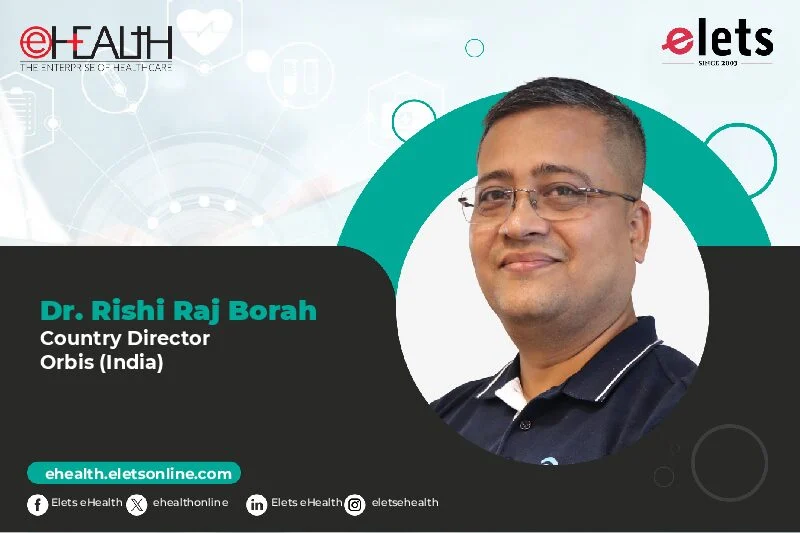
Views expressed by: Dr. Rishi Raj Borah, Country Director, Orbis (India)

 Like
Like
 Dislike
Be a part of Elets Collaborative Initiatives. Join Us for Upcoming Events and explore business opportunities. Like us on Facebook , connect with us on LinkedIn and follow us on Twitter , Instagram.
Disclaimer: The views and opinions expressed in this article are solely those of the author and do not necessarily reflect the official policy or views of any organisation. The content is intended for informational and educational purposes only and should not be construed as medical advice.
"Exciting news! Elets technomedia is now on WhatsApp Channels Subscribe today by clicking the link and stay updated with the latest insights!" Click here!