



Article
Capacity Building in Healthcare: Lessons from Global Expansion into Seven Countries
Capacity Building in Healthcare: Lessons from Global Expansion into Seven Countries
![]() By Dr. Asawari Savant, eHealth Network - 14 October 2025
By Dr. Asawari Savant, eHealth Network - 14 October 2025


The healthcare system goes beyond just hospitals, policies, and medical equipment; it’s really about people. Think about the doctors who earn their patients’ trust, the nurses working hard to keep our communities healthy, and the families relying on these systems when they need help. Capacity building in healthcare has become crucial for making lasting improvements as healthcare systems globally tackle difficult challenges. The expansion of healthcare programs into seven nations has revealed one clear fact. It’s about creating roots that can actually thrive in local environments rather than just copying models from one place to another.

What Capacity Building Really Means?
When people think about “capacity building,” they think of infrastructure and budgets. But real transformation happens when three forces converge:
- People: Their abilities, courage, and sense of purpose.
- Systems: Governance, supply chains, and policies that maintain the smooth operation of healthcare.
- Communities: The heartbeat of any initiative and influencing its acceptance and sustainability.
When these elements are implemented together, true capacity building creates a stronger, more inclusive, and more suitable health system.
Lessons We Learned Around the World
- Local Voices Are the Compass: In one Southeast Asian country, we began by sitting in on village meetings. Community leaders told us that while medical facilities were available, many families avoided them due to cultural beliefs about illness. By acknowledging these traditions and tailoring our education campaigns around them, we gained trust. The lesson? Listening comes before building.
- Training Builds Legacy, Not Just Skills: A doctor trained today can inspire an entire generation of tomorrow. In East Africa, we launched a mentorship program where senior nurses will provide coaching to their less-experienced junior colleagues. Within months, the ripple effect became evident as the procedures became more consistent, confidence increased, and new leaders started to emerge from within the system. Building capacity involves building a culture of lifelong learning rather than providing one-time training.
- Partnerships Fuel Possibility: No healthcare system grows in isolation. Governments bring scale and legitimacy, private organisations drive innovation, and local communities provide trust. In South America, for example, public–private partnerships helped expand maternal health services. Hospitals provided infrastructure, tech companies built mobile monitoring applications, and local women’s groups acted as ambassadors. The result wasn’t just a program but a shared movement.
- Technology Extends Hearts and Hands: In remote and mountainous areas, patients often had to travel for hours to get a basic consultation. Through telemedicine, they could suddenly connect to city specialists without leaving their community. In an area where maternal mortality rates are still high, one mother told us that a digital parental care program helped her monitor her pregnancy and seek timely interventions; her baby was delivered safely. While technology by itself cannot solve issues, it can increase their impact when combined with empathy and training.
- Strong Supply Chains Save Lives Quietly: A continuous supply of medicine and working tools saves lives every day, even though it does not make the news. In one nation, essential diagnostic equipment frequently sat idle for months due to a lack of appropriate parts. Training local biomedical technicians changed so that repairs happened on-site within days, ensuring continuous care. Local knowledge and strong logistics are just as important as doctors and nurses.
- Measure Success Through People, Not Just Numbers: We tracked reductions in malaria cases, improved vaccination rates, and higher staff retention. But the true markers of success were personal: a parent able to afford care for their child, a community health worker celebrated as a local hero, or villages once sceptical now championing preventive care. Data drives policy, but human stories sustain change.
- Trust Is the True Currency of Healthcare: The most important insight is that nothing works without trust. In one country, community health workers become the face of the program. Because they shared language, traditions, and daily realities with their neighbours, they were seen not as outsiders but as allies. This trust opened doors that money or technology could not.
Also read: Driving the Future of Angioplasty with Safety and Smarter Practices

Insights Across Seven Countries
No two countries shared the same path. Some prioritised universal health insurance; others built primary care hubs. Fragile states emphasised resilience planning for conflict or disaster, while middle-income countries looked to innovation and medical tourism for growth. Each context demanded a unique approach, but beneath the surface, one truth was constant: healthcare systems only flourish when people believe in them. The journey through seven countries showed that transferring solutions is not the goal of capacity building. It involves building internal growth, paying close attention, adjusting with humility, and working bravely with others. Along with expanding healthcare, when we invest in people, strengthen local systems, and bridge cultures with trust, we don’t just expand healthcare; we expand hope, dignity, and the promise of healthier futures everywhere.
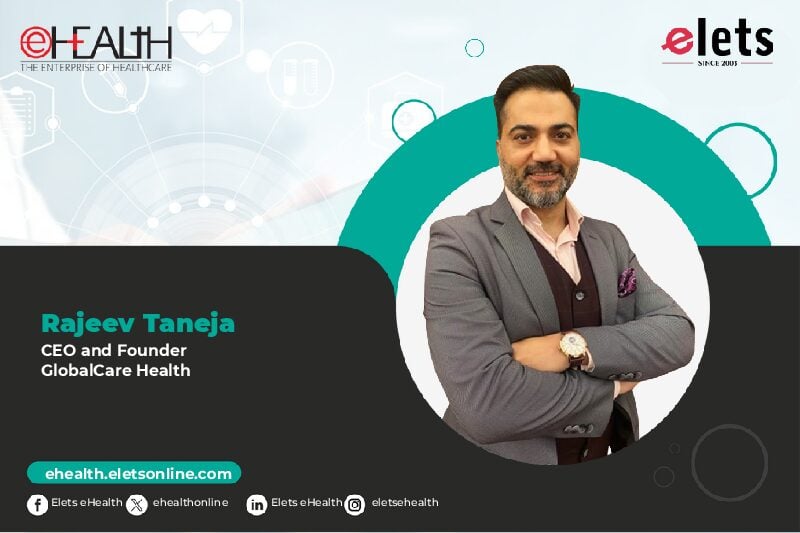
Views expressed by: Rajeev Taneja, CEO and Founder, GlobalCare Health

 Like
Like
 Dislike
Be a part of Elets Collaborative Initiatives. Join Us for Upcoming Events and explore business opportunities. Like us on Facebook , connect with us on LinkedIn and follow us on Twitter , Instagram.
Disclaimer: The views and opinions expressed in this article are solely those of the author and do not necessarily reflect the official policy or views of any organisation. The content is intended for informational and educational purposes only and should not be construed as medical advice.
"Exciting news! Elets technomedia is now on WhatsApp Channels Subscribe today by clicking the link and stay updated with the latest insights!" Click here!