

News
Gavi–UNICEF Deal Paves Way for Wider Access to R21/Matrix-M Malaria Vaccine
Gavi–UNICEF Deal Paves Way for Wider Access to R21/Matrix-M Malaria Vaccine
![]() By Dr. Asawari Savant, eHealth Network - 26 November 2025
By Dr. Asawari Savant, eHealth Network - 26 November 2025


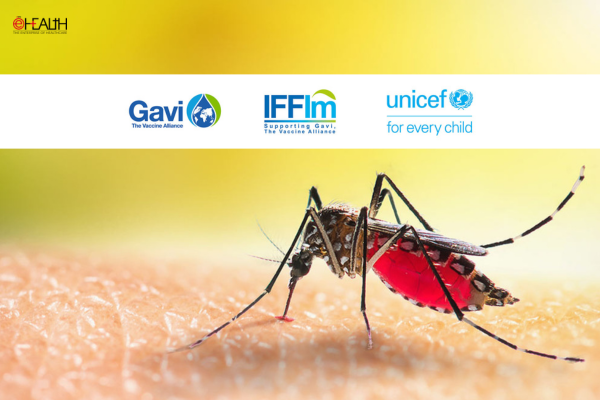
Strengthening global malaria prevention, Gavi, the Vaccine Alliance, and UNICEF have finalised a new procurement agreement that will substantially increase affordability and access to the R21/Matrix-M malaria vaccine. The arrangement is projected to deliver up to $90 million in cost savings for Gavi-supported countries — a reduction that could translate into more than 30 million additional vaccine doses over the next five years.

Enabled through an advance financing commitment via the International Finance Facility for Immunisation (IFFIm), the agreement lowers the vaccine’s price to $2.99 per dose, a change expected to take effect in about a year. Gavi noted that these savings will help fully vaccinate nearly seven million additional children, significantly expanding protection in regions with the highest malaria burden.
Strengthening Malaria Immunisation Across Africa
Gavi continues to drive broad integration of malaria vaccines into national immunisation programmes, coordinating procurement, logistics, and market-shaping efforts. To date, more than 40 million malaria vaccine doses have been supplied through its initiative, supporting routine immunisation in 24 African countries that account for over 70% of global malaria cases.
UNICEF — the world’s largest vaccine buyer — will manage manufacturer engagement and procurement under this agreement. The organisation procures nearly three billion vaccine doses annually, ensuring optimal pricing and consistent supply for global immunisation efforts.
WHO-Prequalified Vaccines Driving Impact
Two malaria vaccines are currently prequalified by the World Health Organisation:
- R21/Matrix-M, co-developed by the University of Oxford and the Serum Institute of India with Novavax’s Matrix-M adjuvant
- RTS,S/ AS01, developed by GlaxoSmithKline (GSK) in partnership with PATH
Both vaccines are recommended for preventing malaria in children and have demonstrated strong efficacy profiles. Phase-3 data show that each vaccine reduces malaria cases by more than 50% in the first year post-vaccination. In regions with highly seasonal transmission — where childhood mortality is concentrated — both vaccines have shown up to 75% reduction in malaria incidence when administered seasonally.
A booster dose in the second year of life has been found to extend protection, supporting long-term disease control strategies.
Also read: Government Moves to Tighten Regulations on Online Promotion of High-Risk Prescription Drugs
A Strategic Win for Global Health Systems
The new Gavi–UNICEF agreement represents a critical step forward in accelerating vaccine availability, strengthening price stability, and supporting large-scale malaria prevention efforts. With improved affordability and expanded supply, health systems across Africa are expected to benefit from broader coverage, improved planning, and reduced disease burden.

 Like
Like
 Dislike
Be a part of Elets Collaborative Initiatives. Join Us for Upcoming Events and explore business opportunities. Like us on Facebook , connect with us on LinkedIn and follow us on Twitter , Instagram.
"Exciting news! Elets technomedia is now on WhatsApp Channels Subscribe today by clicking the link and stay updated with the latest insights!" Click here!