


Article
Cancer Care in India: The Rising Cost of Treatment and How Access Is Evolving
Cancer Care in India: The Rising Cost of Treatment and How Access Is Evolving
![]() By Dr. Asawari Savant, eHealth Network - 20 November 2025
By Dr. Asawari Savant, eHealth Network - 20 November 2025


Cancer remains one of India’s biggest health challenges, touching millions of lives every year. For many families, the journey from diagnosis to treatment is long, stressful, and expensive. While medical care in India has improved significantly, timely and affordable cancer treatment remains out of reach for many people, especially those living outside major cities.

India’s healthcare system is growing rapidly, backed by innovation and scale. The pharmaceutical sector has become a global leader in producing affordable generic medicines. Yet the promise of accessible treatment hasn’t fully translated into reality for most patients facing cancer diagnoses.
The Growing Burden of Care
Cancer treatment in India places a crushing financial strain on families. A recent study across major cancer centres found that patients spend an average of ₹3.3 lakh out of pocket. This figure doesn’t capture the full picture. Travel costs, accommodation, loss of household income, and years of follow-up care push the real burden much higher.
The financial impact extends beyond treatment. Families exhaust savings, sell assets, and borrow at high interest rates. Even after successful treatment, the economic recovery can take years.

Why Treatment Costs Continue to Rise
Late-stage diagnosis remains a critical challenge. Nearly 60-70% of cancer patients in India are diagnosed at advanced stages, when treatment must be more aggressive, prolonged, and expensive. This reflects gaps in screening infrastructure and cancer awareness.
Geographic inequality compounds the problem. Comprehensive cancer care facilities remain concentrated in tier-1 cities. Patients from smaller towns must uproot their lives for months of treatment, with hidden costs of housing, caregiver expenses, and income loss often exceeding direct medical bills.
While new therapies deliver better survival rates, they come with significantly higher price tags. Many advanced drugs are still imported, adding regulatory costs and limited competition to the final price.
Insurance coverage remains inadequate. Despite schemes like Ayushman Bharat expanding coverage, most policies exclude newer cancer drugs, have restrictive caps, or involve complex claim processes that families struggle to navigate during a crisis.
How Technology Is Improving Access
When we began building our platform, one insight stood out: the same cancer medicine that cost patients ₹50,000 at a hospital could be sourced for significantly less through direct manufacturer and distributor relationships. The markup in traditional supply chains was adding unnecessary burden to already struggling families.
We built our model around eliminating these intermediaries. By sourcing directly from manufacturers and first-party distributors, we’ve been able to offer genuine price relief without compromising on authenticity or quality. When a patient uploads their prescription on our platform, they get the prescribed medicine at transparent, competitive prices, along with guidance from specialist pharmacists on dosage schedules, storage, and more.
But competitive pricing alone isn’t enough. Cancer medicines are not like regular drugs. They require cold chain logistics, authentication protocols, and specialised handling. We’ve invested heavily in super-speciality pharmacy infrastructure that can safely deliver temperature-sensitive biologics and chemotherapy drugs to a patient’s doorstep, with high levels of quality assurance.
The impact has been tangible. Patients across the country now have access to life-saving medicines without the markup of multiple intermediaries. We’ve enabled continuity of care for those who can’t travel repeatedly to metro hospitals for refills. And we’ve helped families focus on treatment rather than scrambling to arrange funds every cycle.
Our role is to provide reliable access at fair prices, working within the treatment plan their oncologist has prescribed.
What Patients Can Do Now
While systemic change takes time, patients can take immediate steps:
Compare prices: The same prescribed medicine can have very different prices at different pharmacies. It’s worth checking multiple sources before buying.
Verify your pharmacy: Ensure they’re licensed for speciality medicines and have proper storage facilities, especially for biologics.
Understand your insurance: Get pre-authorisation for expensive drugs before purchase. Explore multiple policies, including government schemes and employer coverage.
The Way Forward
Technology and transparency are necessary but insufficient. India needs a multi-pronged approach:
Early detection infrastructure can shift diagnosis to earlier, more treatable, and less expensive stages. Insurance reform must cover modern cancer therapies with simplified claim processes. Manufacturing incentives can reduce import dependency and costs. Care delivery innovation through hub-and-spoke models can bring treatment closer to home.
As someone working at the intersection of healthcare and technology, I’ve seen how empowered patients with the right information can navigate their cancer journey more effectively. But individual empowerment cannot substitute for systemic reform.
The future of cancer care depends on how well we combine innovation with compassion, market forces with regulation, and technology with human touch. Quality cancer treatment must become a right for everyone, not a privilege for a few. This requires sustained commitment from policymakers, healthcare providers, pharmaceutical companies, and digital platforms working together.
Every patient deserves to focus on healing, not just financial survival. That should be our shared goal.
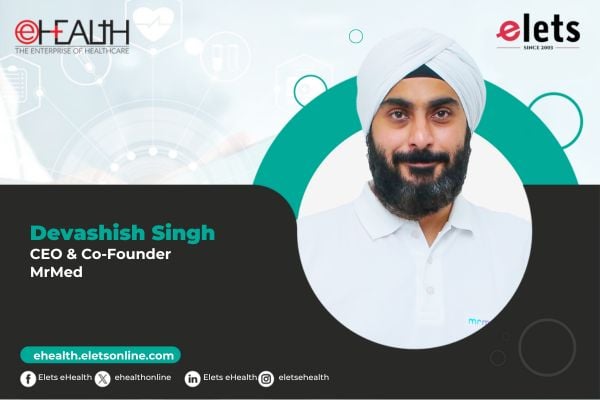
Views expressed by: Devashish Singh, CEO & Co-Founder, MrMed

 Like
Like
 Dislike
Be a part of Elets Collaborative Initiatives. Join Us for Upcoming Events and explore business opportunities. Like us on Facebook , connect with us on LinkedIn and follow us on Twitter , Instagram.
Disclaimer: The views and opinions expressed in this article are solely those of the author and do not necessarily reflect the official policy or views of any organisation. The content is intended for informational and educational purposes only and should not be construed as medical advice.
"Exciting news! Elets technomedia is now on WhatsApp Channels Subscribe today by clicking the link and stay updated with the latest insights!" Click here!