



News
NPPA Publishes Revised MRPs for 543 Cancer Drug Brands, With Cuts of Up to 93% but Innovator Prices Unchanged
NPPA Publishes Revised MRPs for 543 Cancer Drug Brands, With Cuts of Up to 93% but Innovator Prices Unchanged
![]() By eHealth Network - 29 October 2026


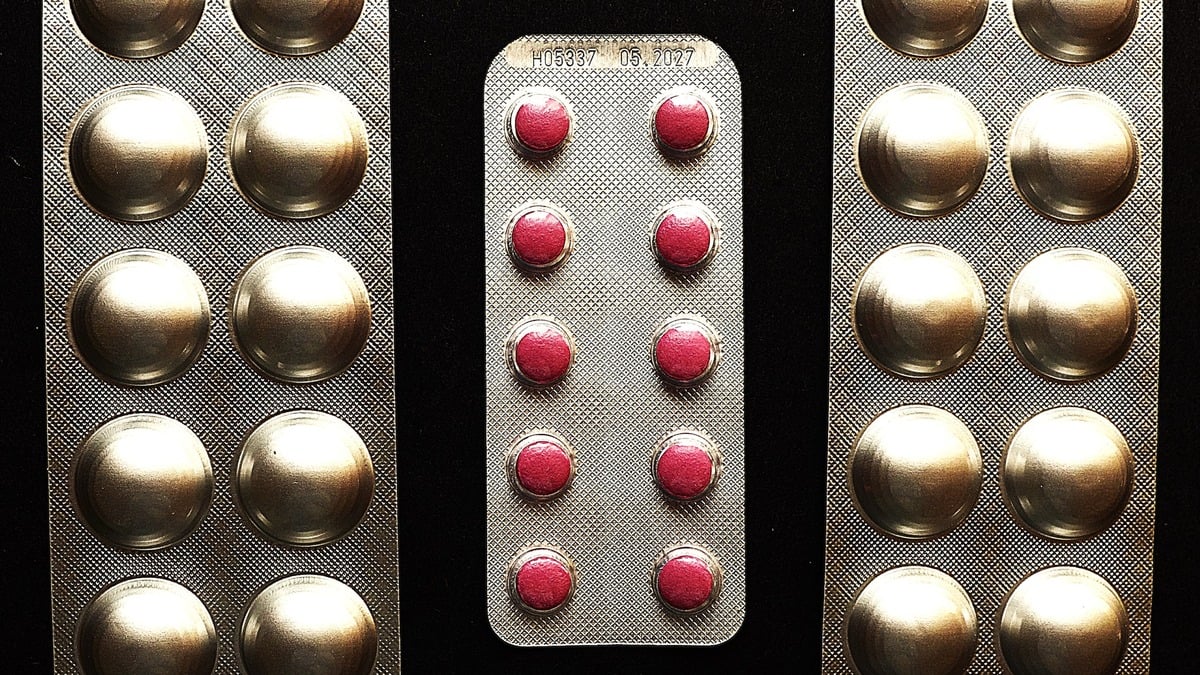
India’s drug price regulator has put numbers to its trade margin cap on cancer medicines. The National Pharmaceutical Pricing Authority (NPPA) has published a list of 543 anti-cancer brands and pack sizes with revised maximum retail prices (MRPs), which take effect on 9 November 2026. Some generic and biosimilar brands are set to become dramatically cheaper, while several high-value innovator therapies show no change at all.

What the revised list covers
The list follows NPPA’s Trade Margin Rationalisation (TMR) order of 17 October, which capped trade margins on 137 non-scheduled anti-cancer drugs and directed manufacturers to file revised price lists. The molecules in scope include immunotherapy medicines used across more than 20 cancer types, denosumab for breast and prostate cancer patients, pegfilgrastim for preventing neutropenia, and bevacizumab for colon, ovarian and cervical cancers.
According to NPPA, the published list reflects submissions received from companies up to 27 October. The regulator said the list, hosted on its website, will be updated on a continuing basis as more manufacturers file revised prices.
Cuts deeper than projected
As reported by Business Standard, the steepest reductions go well beyond the government’s earlier estimate of cuts of up to 70%, reaching as much as 93% for some products. RPG Life Sciences’ palbociclib brand Palbopro falls from ₹40,421.33 to ₹2,720 per unit, a reduction of about 93.3%, while another palbociclib brand, ISOGEN, sees its 100 mg pack drop by 91.6%.

Biosimilars of bevacizumab show a similar pattern. Abbott’s Bevacimab is down around 86% and Torrent Pharma’s Bevakalp around 69% at comparable strengths.
Innovator brands largely untouched
The list also shows where the cap has not changed prices. Roche’s Avastin (bevacizumab) stays at ₹1.23 lakh per 400 mg vial, nivolumab brands marketed by Bristol Myers Squibb India and Dr Reddy’s show no MRP change, and Keytruda (pembrolizumab) remains at ₹2.16 lakh. Bevacizumab and nivolumab are among the top-selling anti-neoplastic drugs in India’s retail channel, according to Pharmarack data cited in the report.
Officials quoted by the publication indicated that reductions apply where MRPs were inflated by large trade margins, implying that the margins on several originator brands were already within the capped range. Patient groups, however, have argued that exclusions linked to patient assistance programmes (PAPs) and gaps in the data have diluted the relief.
What it means for industry
For oncology manufacturers, distributors and hospital pharmacies, the 9 November start date sets a short window to align billing systems, price lists and supply-chain communication. NPPA has already clarified that existing stock does not need to be recalled or relabelled, provided the revised MRP is charged.
The biggest shift is likely to be competitive. With generic and biosimilar prices now sharply lower while originator prices hold, the gap between the two widens, which could accelerate biosimilar uptake in hospital formularies and retail oncology. It also keeps pricing policy firmly on the agenda for India’s pharma industry as the government weighs how far trade margin rationalisation should extend beyond cancer care.

 Like
 Dislike
Be a part of Elets Collaborative Initiatives. Join Us for Upcoming Events and explore business opportunities. Like us on Facebook , connect with us on LinkedIn and follow us on Twitter , Instagram.
"Exciting news! Elets technomedia is now on WhatsApp Channels Subscribe today by clicking the link and stay updated with the latest insights!" Click here!