



News
HOSMAC Launches HEAT, a Digital Tool to Model Hospital Energy Use From the Earliest Design Stage
HOSMAC Launches HEAT, a Digital Tool to Model Hospital Energy Use From the Earliest Design Stage
![]() By eHealth Network - 29 October 2026


Hospital consulting firm HOSMAC has developed the Hospital Energy Analysis Tool (HEAT), a digital planning tool that lets architects and healthcare planners estimate a hospital’s energy needs before a single wall goes up, and test design choices that can bring down long-term operating costs.

The launch speaks to a growing pressure point for Indian healthcare infrastructure. Hospitals run round the clock, depend on intensive cooling and ventilation, and power a large fleet of medical equipment, which makes them one of the most energy-hungry building types. According to the National Hospital Energy Consumption Survey carried out under the Ministry of Health and Family Welfare, hospitals accounted for roughly 9 per cent of India’s commercial electricity use in FY 2019–20, an estimated 9.7 billion units a year.
Two modules: active and passive energy modelling
HEAT combines two computational modules so that energy performance becomes part of feasibility and space planning rather than an afterthought.
- Space Program Designer (active modelling): Built on a database of disease management groups and the hospital departments linked to them, the module maps more than 800 rooms across over 40 departments for a general multi-specialty hospital. A questionnaire-based interface lets planners generate a full hospital programme in minutes, along with an early estimate of space requirements and the cooling load they imply in Indian conditions.
- Building Mass-Volume Explorer (passive modelling): Drawing on a library of hospital footprints, the module uses a genetic evolutionary algorithm to test different building orientations against a plot’s ground coverage and built-up area limits. An integrated solar irradiation analysis then flags the configurations that absorb less heat during peak-load hours.
Based on the tool’s own estimates, designing to reduce incident heat through form, orientation and other passive strategies can deliver savings of 30 to 50 per cent, depending on the site.

“A hospital’s energy footprint is shaped long before its doors open”
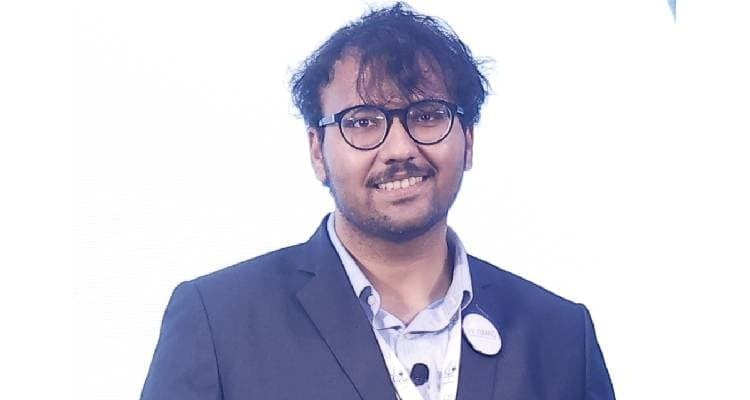
Explaining the thinking behind the tool, Ishan Desai, Computational Architect at HOSMAC, said the aim is to move energy analysis to the very start of hospital planning. By pairing active and passive modelling, he said, HEAT is meant to help architects and planners make data-driven decisions that balance clinical functionality, operational efficiency and environmental responsibility, so that new hospitals are both equipped for quality care and more resource-efficient and financially sustainable over their lifetime.
Part of a wider data-led push
HEAT follows HOSMAC’s recent launch of the Urban Health Data Platform (UHDP), a research-driven digital tool that maps healthcare facilities and offers insights into healthcare infrastructure across India. Together, the two tools reflect the firm’s growing use of research, data analytics and computational design in hospital planning.
Why it matters
India is adding hospital capacity at pace across both the public and private sectors, while climate-driven heat stress is pushing up cooling demand. Decisions on massing, orientation and departmental layout lock in a building’s energy profile for decades, yet they are usually made long before detailed engineering begins. Tools that bring energy modelling into the earliest design conversations give hospital promoters, architects and CXOs a clearer view of lifetime operating costs, and a practical route to greener, more resilient healthcare infrastructure.

 Like
 Dislike
Be a part of Elets Collaborative Initiatives. Join Us for Upcoming Events and explore business opportunities. Like us on Facebook , connect with us on LinkedIn and follow us on Twitter , Instagram.
"Exciting news! Elets technomedia is now on WhatsApp Channels Subscribe today by clicking the link and stay updated with the latest insights!" Click here!