


News
Bharat Biotech to Cut MOSQIVAC Malaria Vaccine Price by 40% Under Gavi-UNICEF Deal
Bharat Biotech to Cut MOSQIVAC Malaria Vaccine Price by 40% Under Gavi-UNICEF Deal
![]() By eHealth Network - 27 October 2026


Hyderabad-based Bharat Biotech International will lower the price of its malaria vaccine MOSQIVAC by about 40 per cent under a supply agreement executed by UNICEF and financed by Gavi, the Vaccine Alliance. The move brings the per-dose price of the world’s first WHO-recommended malaria vaccine down from €9.30 to €5.50.

The new price is expected to apply from early 2027. According to Gavi and UNICEF, the reduction should free up around US$50 million for childhood immunisation programmes between 2027 and 2029, enough to give the full four-dose course to as many as one million additional children, or to let countries put the money into other vaccines.
Advance payment unlocks a lower price
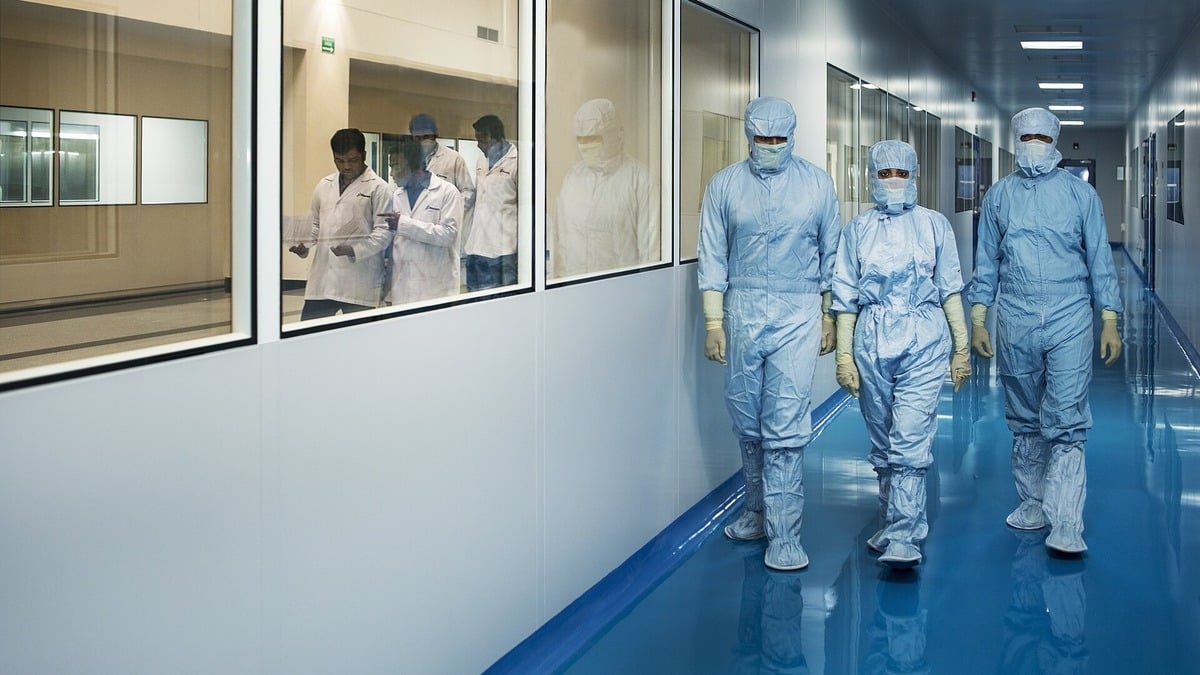
The deal rests on an advance payment from the International Finance Facility for Immunisation (IFFIm), which helps Bharat Biotech scale up supply ahead of procurement. UNICEF will start buying doses at the lower price only after certain regulatory and manufacturing milestones are met. The most important of these is World Health Organization prequalification of a new, higher-capacity manufacturing facility.
MOSQIVAC is Bharat Biotech’s brand of RTS,S/AS01, the vaccine developed by GSK, PATH and partners. WHO recommended it in 2021, making it the first malaria vaccine to receive that endorsement. Production is moving from GSK to Bharat Biotech through a product transfer, and the two companies say they have together invested about US$200 million in new manufacturing capacity, product development and technology transfer to expand supply and bring down costs.

Why it matters for Indian vaccine manufacturing
Global health agencies describe the price cut as part of a wider effort to build a sustainable, competitive malaria vaccine market with several suppliers and enough manufacturing capacity. The second WHO-prequalified malaria vaccine, R21/Matrix-M, was co-developed by the University of Oxford and the Serum Institute of India. With both vaccines now made by Indian manufacturers, India’s role in supplying malaria vaccines to high-burden countries, most of them in Africa, keeps growing.
For the industry, the agreement shows how technology transfer, pooled procurement and up-front financing can work together to lower prices without hurting supply security. It also puts a spotlight on quality systems and WHO prequalification timelines, since the lower price depends on the new facility clearing regulatory review.
Bharat Biotech pointed to the urgency behind the deal, noting that a child still dies of malaria roughly every minute. In phase 3 trials, both RTS,S and R21 cut malaria cases by more than half in the first year after vaccination, and a fourth dose in the second year of life extended protection.
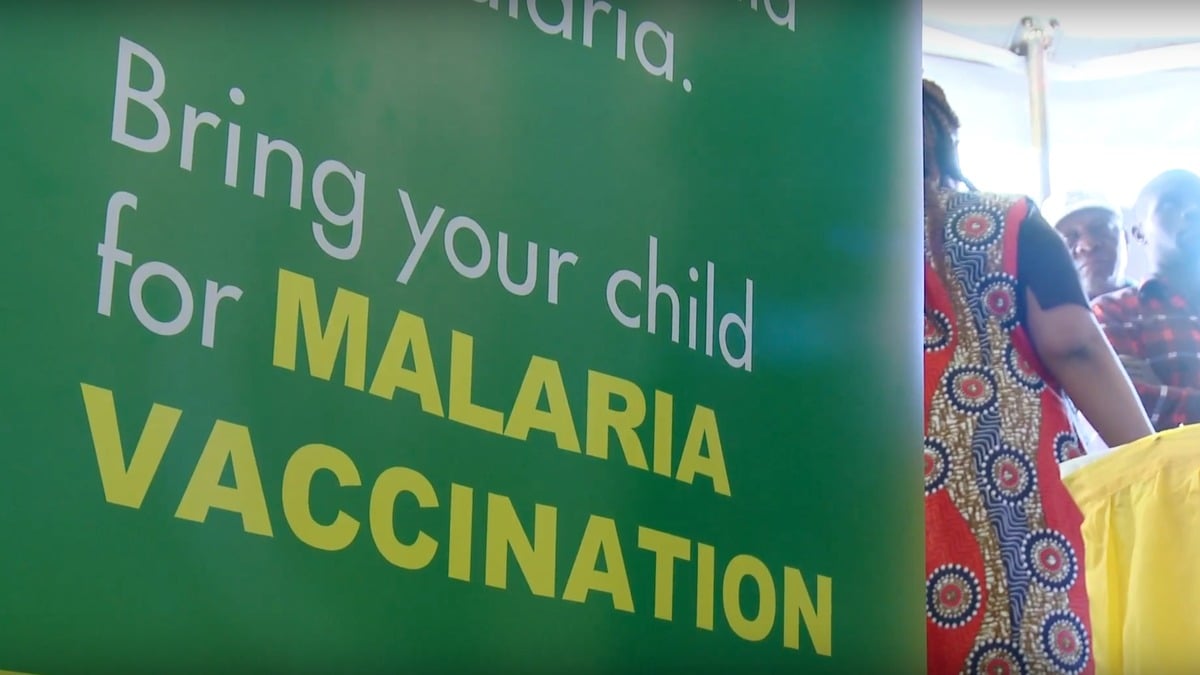
Photo: GHTC / Wikimedia Commons (CC BY 3.0) — https://commons.wikimedia.org/wiki/File:RTS,S_bring_your_child_for_malaria_vaccination.jpg (cropped and resized)

 Like
 Dislike
Be a part of Elets Collaborative Initiatives. Join Us for Upcoming Events and explore business opportunities. Like us on Facebook , connect with us on LinkedIn and follow us on Twitter , Instagram.
"Exciting news! Elets technomedia is now on WhatsApp Channels Subscribe today by clicking the link and stay updated with the latest insights!" Click here!