


News
Health Ministry Prohibits Immediate-Release Nimesulide Oral Doses Above 100 mg, Citing Safety Risks
Health Ministry Prohibits Immediate-Release Nimesulide Oral Doses Above 100 mg, Citing Safety Risks
![]() By Dr. Asawari Savant, eHealth Network - 31 December 2025
By Dr. Asawari Savant, eHealth Network - 31 December 2025


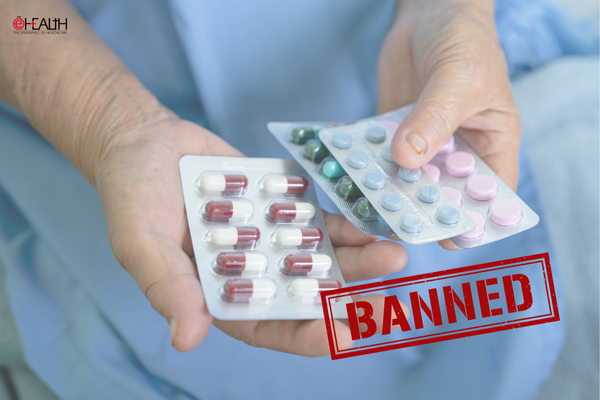
The Ministry of Health and Family Welfare of India has imposed a nationwide ban on the manufacture, sale, and distribution of all immediate-release oral formulations of nimesulide containing more than 100 mg. The prohibition has been enforced under Section 26A of the Drugs and Cosmetics Act, 1940, following expert review and consultation with the Drugs Technical Advisory Board (DTAB).
The decision reflects the government’s assessment that higher-dose immediate-release nimesulide formulations pose potential risks to human health, particularly when safer therapeutic alternatives are available. The notification underscores that the restriction has been introduced in the public interest, with immediate effect across the country.

Regulatory Rationale and Scope
According to the Health Ministry, evidence reviewed by regulatory and scientific bodies indicates that oral nimesulide doses exceeding 100 mg in immediate-release form may increase the risk of adverse effects, especially hepatic complications. The ban applies strictly to immediate-release oral dosage forms above the specified strength, while reinforcing earlier measures to limit the drug’s clinical use.
Manufacturers, marketers, and distributors found in violation of the order will be subject to regulatory and penal action under applicable provisions of the Drugs and Cosmetics Act.
Longstanding Safety Concerns
Nimesulide, a non-steroidal anti-inflammatory drug (NSAID), has been under continuous regulatory scrutiny globally due to concerns around liver toxicity, particularly with higher doses and extended use. While approved in India in 1995 for pain, inflammation, and fever, the drug has not received approval in several major international markets, including the United States, the United Kingdom, Canada, Australia, Japan, and New Zealand.
Over the years, Indian regulators have progressively tightened controls around its use. In 2011, nimesulide was banned for paediatric use in children below 12 years of age. More recently, in January 2025, the government prohibited its manufacture and sale for veterinary applications, further narrowing its permitted scope.
Industry and Market Impact
Despite increasing regulatory restrictions, nimesulide remains a substantial segment of the Indian analgesic market. Industry data indicates that the domestic market for nimesulide formulations is valued at approximately ₹497 crore, registering double-digit growth over the past year. The latest restriction is expected to significantly impact manufacturers and brands marketing higher-dose oral formulations, necessitating portfolio rationalisation and compliance-driven reformulations.

Also read: Jubilant Generics Invests ₹20 Lakh to Build its Generics Presence in Canada
Implications for Pharma Stakeholders
For pharmaceutical companies, the ban reinforces the need for proactive pharmacovigilance, regulatory foresight, and alignment with evolving safety standards. Companies will need to reassess product portfolios, strengthen compliance frameworks, and engage with prescribers to ensure appropriate use of approved strengths and dosage forms.
The move also highlights the regulator’s increasing emphasis on risk-benefit evaluation, evidence-based decision-making, and patient-centric drug governance, signalling tighter scrutiny for legacy molecules with unresolved safety concerns.

 Like
Like
 Dislike
Be a part of Elets Collaborative Initiatives. Join Us for Upcoming Events and explore business opportunities. Like us on Facebook , connect with us on LinkedIn and follow us on Twitter , Instagram.
"Exciting news! Elets technomedia is now on WhatsApp Channels Subscribe today by clicking the link and stay updated with the latest insights!" Click here!