


News
Union Budget 2026 Lays Foundation for Biopharma Growth and Affordable Care
Union Budget 2026 Lays Foundation for Biopharma Growth and Affordable Care
![]() By eHealth Network - 02 February 2026
By eHealth Network - 02 February 2026


New Delhi | February 1, 2026

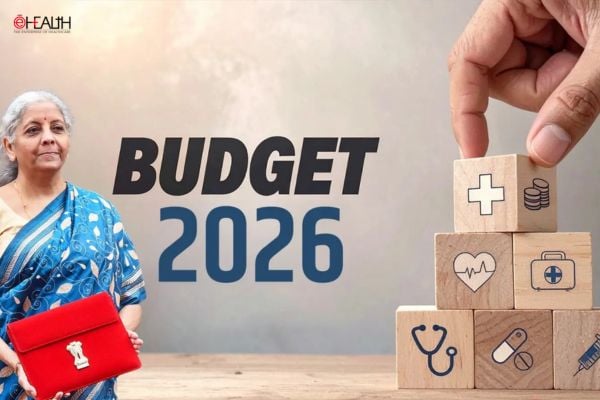
The Union Budget 2026–27 has placed healthcare firmly at the centre of India’s growth and welfare agenda, unveiling a mix of long-term capacity-building initiatives and near-term affordability measures. With targeted investments in biopharma manufacturing, expanded access to critical medicines, strengthened mental health infrastructure, and incentives for medical tourism, the Budget signals the government’s intent to position healthcare as both a social priority and a strategic economic sector under the Viksit Bharat vision.
Biopharma Shakti: ₹10,000 Crore to Build a Global Manufacturing Hub
A cornerstone of the healthcare announcements was the launch of Biopharma Shakti, a ₹10,000-crore programme over five years, aimed at strengthening India’s bio-pharmaceutical ecosystem and positioning the country as a global hub for biologics and biosimilars.
The initiative includes:

- Creation of a bio-pharma focus network to drive innovation and collaboration
- Establishment of 1,000 accredited clinical trial sites to strengthen R&D and accelerate product development
- Support for advanced manufacturing, regulatory capacity, and translational research
Industry leaders see this as a structural shift for healthcare manufacturing. Mithun Majumdar, CEO, 750AD Healthcare Private Ltd, said the allocation creates a strong foundation for globally competitive healthcare products. “With the ₹10,000 crore allocation, the government has taken a major step to position India as a global hub for biologics and biosimilars. This will strengthen domestic manufacturing, improve supply-chain reliability, and accelerate innovation. For D2C wellness brands, it means better access to quality inputs, faster manufacturing, and stronger consumer trust.”
Affordable Treatment: Customs Duty Relief on Life-Saving Drugs
To directly address the cost burden on patients, the Finance Minister announced customs duty exemptions on 17 critical cancer medicines, alongside extending duty relief to seven additional rare diseases. The exemption applies to personal imports of drugs, medical foods, and specialised therapies, offering meaningful relief to families dependent on high-cost treatments.
The move was welcomed by health insurers, who see it as easing both patient stress and claims-related financial pressure. Manish Dodeja, COO, Care Health Insurance, said the measure reflects a strong patient-centric policy stance. “The exemption of customs duty on critical cancer drugs directly lowers treatment costs and eases the financial burden on patients and their families. It reflects a strong focus on access to life-saving therapies and patient welfare.”
Medical Remittances: TCS Cut Brings Relief to Families
The Budget also reduced Tax Collected at Source (TCS) to 2% on remittances for medical treatment abroad, a move aimed at easing the financial strain on families seeking specialised overseas care.
According to Dodeja, the change has practical implications for insured patients. “The reduction of TCS on remittances for medical treatment abroad provides tangible relief to families seeking specialised care overseas, particularly in reimbursement-linked international insurance claims. Together, these measures strengthen financial protection and enable timely access to quality care.”
Mental Health: NIMHANS 2.0 and Regional Expansion
Recognising the growing mental health burden, the Budget announced NIMHANS 2.0, with new campuses planned in Ranchi and Tezpur. These campuses will function as regional hubs for treatment, education, and research, helping decentralise specialised mental healthcare beyond major urban centres.
The expansion of NIMHANS is expected to improve access to trained professionals and specialised services across eastern and northeastern regions.
Medical Tourism: Five Integrated Regional Hubs Proposed
To strengthen India’s position as a global healthcare destination, the Budget proposed the development of five regional medical tourism hubs to be implemented in partnership with state governments and the private sector.
The hubs will:
- Integrate modern medicine with AYUSH systems
- Focus on end-to-end patient experience, including treatment, recovery, and wellness
- Enhance India’s competitiveness in cost-effective, high-quality care
Insurance & Welfare Lens: Ease of Living Measures
From an insurance and welfare perspective, the Budget also delivered relief through compassionate tax measures. Ashwani Dhanawat, Executive Director & CIO, Shriram General Insurance, highlighted the exemption of tax on Motor Accident Claims Tribunal awards as a significant step. The exemption of TDS and tax on motor accident compensation ensures faster, untaxed access to funds for those in distress. It is a victim-friendly relief that reinforces ease of living while strengthening the insurance ecosystem.”
The healthcare measures in the Union Budget 2026 reflect a balanced approach, combining long-term ecosystem building in biopharma and research with immediate affordability relief for patients and families. By addressing manufacturing, access, insurance protection, and global competitiveness, the Budget strengthens healthcare’s role as a pillar of both social welfare and economic growth.
Execution across states, regulators, and private stakeholders will be key, but the policy intent is clear: to build a resilient, affordable, and globally integrated healthcare system for the coming decade.

 Like
Like
 Dislike
Be a part of Elets Collaborative Initiatives. Join Us for Upcoming Events and explore business opportunities. Like us on Facebook , connect with us on LinkedIn and follow us on Twitter , Instagram.
"Exciting news! Elets technomedia is now on WhatsApp Channels Subscribe today by clicking the link and stay updated with the latest insights!" Click here!